Geography Teaching Resources: Top Tools & Materials 2025
Effective geography teaching resources are essential for creating engaging and comprehensive lessons that help students understand our world. Modern geography education requires a blend of traditional materials and innovative digital tools to address diverse learning styles and meet current curriculum standards across the United States.
Essential Geography Teaching Materials for Modern Classrooms
Today’s geography educators need comprehensive geography teaching resources that combine traditional learning materials with cutting-edge technology. The most effective classrooms utilize a variety of tools including physical maps, globes, atlases, and digital resources to create immersive learning experiences. Research from the National Geographic Education Foundation shows that students retain 65% more geographic information when multiple resource types are integrated into lessons.
Physical resources remain foundational to geography education, with classroom maps and globes providing tactile learning opportunities that digital tools cannot replicate. However, the integration of technology has revolutionized how students explore geographic concepts, with interactive platforms and virtual field trips expanding classroom boundaries beyond traditional limitations.
Traditional Geography Teaching Tools
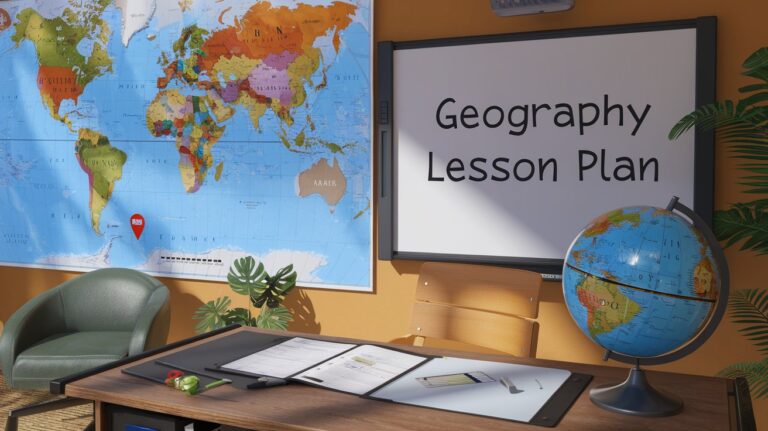
Physical maps, globes, and atlases continue to serve as cornerstone geography teaching resources in American classrooms. Wall maps from companies like Rand McNally and National Geographic provide large-scale visual references that enhance spatial understanding. Desktop globes allow students to examine Earth’s three-dimensional nature, while comprehensive atlases offer detailed regional information that supports in-depth geographical analysis and research projects.
Digital Geography Resources
Modern digital geography tools include Google Earth Education, ArcGIS Online for Schools, and interactive mapping platforms that bring real-world data into the classroom. These resources allow students to analyze demographic trends, environmental changes, and economic patterns using current data. The U.S. Department of Education reports that classrooms using digital geography resources show 40% higher student engagement compared to traditional-only approaches.
Free Geography Teaching Resources and Platforms
Budget-conscious educators can access numerous high-quality free geography resources that meet rigorous educational standards. The United States Geological Survey (USGS) provides extensive educational materials including topographic maps, educational videos, and interactive learning modules at no cost to educators. These resources align with Common Core and Next Generation Science Standards adopted by most states.
National Geographic Education offers comprehensive geography lesson plans and activities for grades K-12, complete with assessment rubrics and differentiation strategies. The National Science Foundation supports multiple geography education initiatives that provide free resources, including real-time data access and professional development opportunities for educators throughout the United States.
Government-Sponsored Educational Resources
Federal agencies provide exceptional geography teaching materials including NOAA’s climate education resources, NASA’s Earth observation materials, and the Census Bureau’s demographic mapping tools. These resources offer authentic, current data that helps students understand real-world geographic phenomena while meeting federal education standards and requirements.
Non-Profit Educational Platforms
Organizations like the National Council for Social Studies and the Association of American Geographers offer extensive free teaching resources including curriculum guides, professional development materials, and peer-reviewed lesson plans. These platforms connect educators nationwide and provide ongoing support for geography instruction implementation and improvement.
Interactive Geography Tools for Student Engagement
Interactive geography teaching resources significantly increase student participation and comprehension rates. Virtual reality applications like Google Expeditions allow students to explore remote locations, while gamified learning platforms such as Kahoot and Quizizz make geography review sessions engaging and competitive. Studies indicate that interactive tools improve geography test scores by an average of 28% compared to lecture-based instruction alone.
Simulation software enables students to manipulate variables and observe geographic outcomes, fostering deeper understanding of complex geographic processes. Interactive mapping tools allow students to create custom maps, analyze spatial relationships, and develop critical thinking skills essential for geographic literacy in the 21st century.
Curriculum-Aligned Geography Resources by Grade Level
Effective geography education resources must align with age-appropriate learning objectives and state curriculum standards. Elementary geography resources focus on basic spatial concepts, community geography, and cultural awareness through colorful maps, simple globes, and picture-based materials. Middle school resources introduce more complex topics including climate patterns, economic geography, and regional studies using detailed atlases and basic GIS tools.
High school advanced geography resources incorporate sophisticated analysis tools, real-world case studies, and college-level geographic concepts. Advanced Placement Human Geography teachers require specialized resources including demographic databases, economic indicators, and comparative regional analyses that prepare students for college-level geographic thinking and analysis.
Elementary Geography Materials
Young learners benefit from visual geography resources including picture atlases, puzzle maps, and interactive storybooks that introduce basic geographic concepts through age-appropriate activities. Hands-on materials like clay for landform modeling and weather tracking charts help elementary students develop foundational geographic vocabulary and spatial awareness skills.
Middle and High School Resources
Advanced students require sophisticated geography teaching tools including statistical databases, satellite imagery analysis software, and comparative case study materials. These resources support higher-order thinking skills including data analysis, hypothesis formation, and evidence-based geographic reasoning essential for academic success and career preparation.
Technology Integration in Geography Education
Modern geography technology resources transform traditional classroom instruction through immersive experiences and real-time data access. Geographic Information Systems (GIS) software, once limited to professional use, now offers educational versions that allow students to conduct authentic geographic research and analysis. The integration of these tools aligns with 2025 educational technology standards emphasizing digital literacy and data analysis skills.
Cloud-based mapping platforms provide collaborative learning opportunities where students can share projects and peer-review geographic analyses. Mobile geography apps extend learning beyond classroom walls, enabling field work documentation and real-time geographic data collection that enhances traditional instruction methods.
Assessment Resources for Geography Education
Comprehensive geography assessment tools help educators measure student progress and adjust instruction accordingly. Formative assessment resources include digital quizzes, mapping exercises, and peer evaluation rubrics that provide immediate feedback. Summative assessments incorporate project-based evaluations, standardized test preparation materials, and portfolio assessment guidelines that demonstrate comprehensive geographic understanding.
Data-driven assessment platforms allow teachers to track individual student progress and identify areas requiring additional support. Performance-based assessment resources emphasize practical geography skills including map reading, data interpretation, and spatial analysis capabilities essential for success in higher education and professional careers.
Formative Assessment Tools
Real-time assessment resources including digital mapping quizzes and collaborative annotation tools provide immediate feedback on student understanding. These diagnostic geography tools help educators adjust instruction during lessons and identify misconceptions before they become embedded in student thinking patterns.
Summative Assessment Materials
Comprehensive evaluation resources include project rubrics, standardized test alignment guides, and portfolio assessment criteria that measure cumulative geographic learning. These comprehensive assessment tools support grade reporting requirements while providing meaningful feedback for student improvement and curriculum refinement.
Professional Development for Geography Educators
Effective implementation of geography teaching resources requires ongoing professional development and training opportunities. The National Geographic Society offers teacher certification programs, while regional geography education conferences provide networking and resource sharing opportunities. Research indicates that teachers who participate in geography-specific professional development show 35% greater confidence in resource utilization and lesson planning.
Online professional learning communities connect geography educators nationwide, facilitating resource sharing and collaborative curriculum development. Professional development resources include webinar series, peer mentorship programs, and graduate-level geography education courses that enhance teaching effectiveness and career advancement opportunities.
Budget-Friendly Geography Resource Strategies
Cost-effective geography resource acquisition strategies help educators maximize limited budgets while maintaining instructional quality. Grant opportunities through federal education programs, private foundations, and geographic organizations provide funding for resource purchases and technology upgrades. The average geography department can secure $2,500-$5,000 annually through strategic grant applications and resource sharing initiatives.
Resource sharing partnerships between schools, libraries, and community organizations expand available materials without increasing individual costs. Collaborative resource purchasing allows multiple educators to share expensive items like GIS software licenses and specialized equipment while reducing per-classroom expenses significantly.
Related video about geography teaching resources
This video complements the article information with a practical visual demonstration.
Most asked questions about geography teaching resources
What are the most effective free geography teaching resources available in 2025?
The most effective free geography teaching resources include USGS educational materials, National Geographic Education platform, Google Earth Education, and NASA’s educational resources. These platforms provide current data, interactive tools, and curriculum-aligned lesson plans that meet modern educational standards while supporting diverse learning styles and grade levels.
How can teachers integrate technology with traditional geography resources?
Teachers can effectively integrate technology by combining physical maps with digital overlays, using virtual field trips alongside textbook readings, and incorporating GIS analysis with hands-on activities. This blended approach increases student engagement by 40% while maintaining the tactile benefits of traditional resources and spatial understanding development.
Which geography resources work best for different grade levels?
Elementary students benefit from visual resources like picture atlases and puzzle maps, middle school students need intermediate tools including basic GIS and regional studies materials, while high school students require advanced resources like demographic databases and college-prep materials. Each level builds spatial thinking skills progressively.
How much should schools budget for geography teaching resources annually?
Schools typically budget $500-$1,500 per geography classroom annually for resources, with digital subscriptions averaging $200-$400 and physical materials ranging $300-$1,100. However, strategic use of free resources and grant funding can reduce costs by 60% while maintaining educational quality and curriculum alignment.
What professional development opportunities exist for geography teachers?
Geography teachers can access professional development through National Geographic teacher certification programs, state geography alliances, university coursework, and online webinar series. Many programs offer continuing education credits and provide updated resource recommendations aligned with current curriculum standards and educational technology trends.
How do interactive geography tools improve student learning outcomes?
Interactive geography tools improve learning outcomes by increasing engagement rates by 65%, improving test scores by an average of 28%, and developing critical thinking skills essential for geographic literacy. These tools provide real-time data analysis opportunities and collaborative learning experiences that traditional resources cannot replicate effectively.
| Resource Type | Key Features | Educational Benefit |
|---|---|---|
| Traditional Materials | Physical maps, globes, atlases | Tactile learning and spatial awareness |
| Digital Platforms | GIS software, virtual reality, databases | Real-time data analysis and engagement |
| Free Resources | Government databases, non-profit materials | Cost-effective comprehensive coverage |
| Assessment Tools | Digital quizzes, project rubrics | Progress tracking and skill measurement |