What Type of Scientist Studies the Atmosphere? Complete Guide
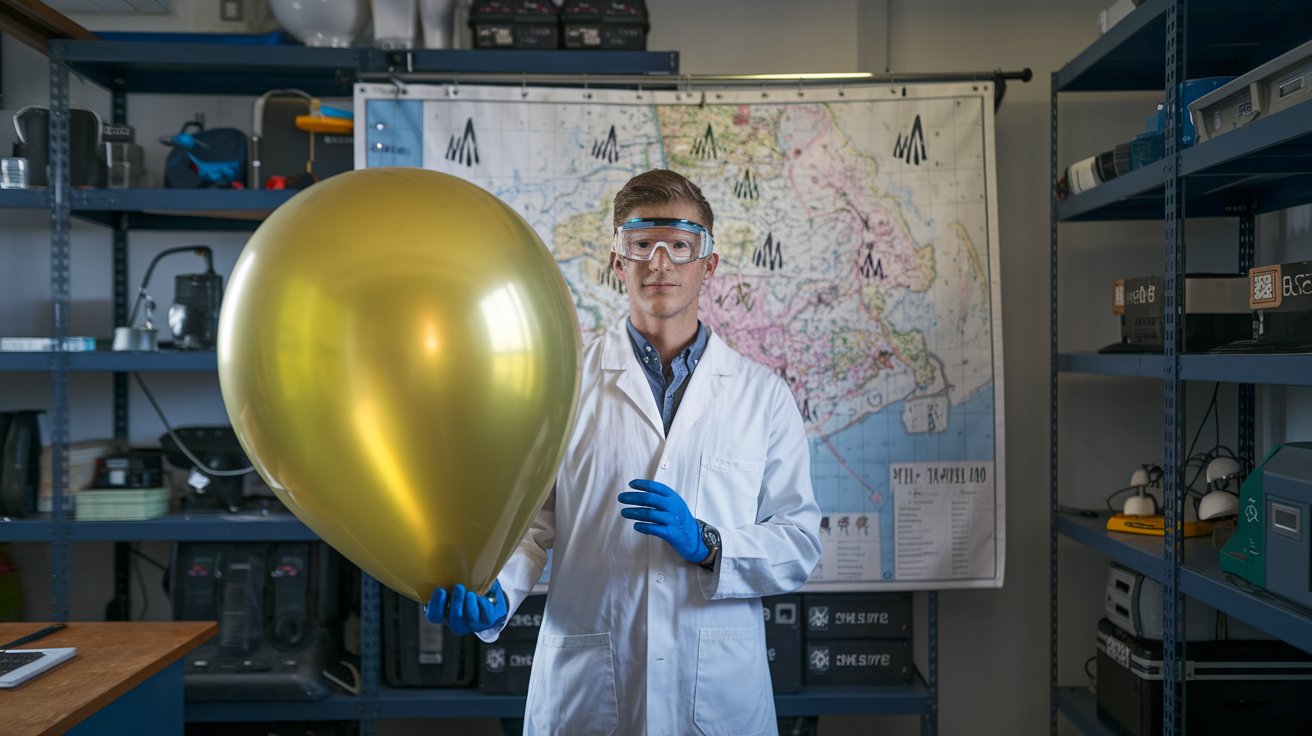
The scientist who studies the atmosphere is called an atmospheric scientist, with meteorologists being the most recognized type. These professionals analyze weather patterns, climate systems, air quality, and atmospheric chemistry to understand and predict environmental conditions. Atmospheric scientists play crucial roles in weather forecasting, climate research, and environmental protection across the United States.
Types of Atmospheric Scientists
Atmospheric scientists encompass several specialized fields, each focusing on different aspects of Earth’s atmosphere. The Bureau of Labor Statistics reports that over 10,200 atmospheric scientists work in the United States as of 2024, with employment projected to grow 6% through 2032. These professionals contribute to weather prediction, climate modeling, and environmental monitoring systems that protect millions of Americans daily.
The field attracts scientists with diverse educational backgrounds, typically requiring bachelor’s degrees in atmospheric science, meteorology, physics, or related fields. Many positions, especially in research and senior roles, prefer or require master’s or doctoral degrees. Atmospheric science careers offer median salaries of $99,740 annually according to 2024 data, with opportunities in government agencies, private companies, and academic institutions.
Meteorologists: Weather Specialists
Meteorologists represent the largest group of atmospheric scientists, specializing in weather forecasting and short-term atmospheric phenomena. They analyze current atmospheric conditions using sophisticated computer models, satellite imagery, and ground-based instruments to predict weather patterns up to 10 days in advance. The National Weather Service employs over 4,000 meteorologists nationwide, making it the largest employer of weather scientists in the United States.
Climatologists: Long-term Climate Researchers
Climatologists focus on long-term atmospheric patterns and climate change research, studying data spanning decades to centuries. These scientists analyze historical climate records, ice core samples, and tree ring data to understand climate variability and predict future climate scenarios. With climate change becoming increasingly important, climate scientists work extensively with government agencies like NOAA and NASA to develop climate models that inform policy decisions affecting millions of Americans.
Atmospheric Chemists: Air Quality Experts
Atmospheric chemists study the chemical composition of the atmosphere, including pollutants, greenhouse gases, and natural atmospheric compounds. They research how industrial emissions, vehicle exhaust, and natural processes affect air quality and atmospheric chemistry. These specialists play vital roles in developing air quality standards and monitoring systems that protect public health across the United States, particularly in urban areas with significant pollution concerns.
Educational Requirements for Atmospheric Scientists
Becoming an atmospheric scientist requires substantial education in mathematics, physics, and atmospheric science principles. Most entry-level positions require a bachelor’s degree in atmospheric science, meteorology, or related fields like physics or environmental science. Universities across the United States offer specialized atmospheric science programs, with notable schools including Colorado State University, University of Oklahoma, and Pennsylvania State University providing comprehensive atmospheric science education.
Advanced research positions and university faculty roles typically require doctoral degrees, with students conducting original research in specialized areas like severe weather prediction, climate modeling, or atmospheric chemistry. The American Meteorological Society certifies professional meteorologists through rigorous examinations, enhancing career prospects and professional credibility. Many atmospheric scientists also pursue continuing education throughout their careers to stay current with rapidly evolving technology and research methods.
Career Paths in Atmospheric Science
Atmospheric science careers span multiple sectors, offering diverse opportunities for specialization and professional growth. Government agencies employ the largest number of atmospheric scientists, with the National Weather Service, Environmental Protection Agency, and Department of Defense providing stable career paths with competitive benefits. Private sector opportunities continue expanding, particularly in renewable energy, agriculture, and insurance industries that rely heavily on weather and climate information.
Television and media meteorologists represent the most visible atmospheric scientists, though they comprise a smaller percentage of the field. These professionals typically work for local news stations, national weather networks, or digital media companies. Broadcast meteorologists must combine technical expertise with communication skills to translate complex atmospheric data into understandable forecasts for public consumption, often requiring additional training in journalism or communications.
Government Employment Opportunities
The federal government employs approximately 40% of all atmospheric scientists in the United States, offering stable careers with comprehensive benefits packages. NOAA’s National Weather Service operates 122 forecast offices nationwide, providing numerous opportunities for operational meteorologists. The Environmental Protection Agency employs atmospheric scientists to monitor air quality and develop pollution control strategies, while NASA conducts cutting-edge research in atmospheric science and climate change. These positions often require security clearances and offer opportunities for career advancement into supervisory or research leadership roles.
Private Sector Opportunities
Private companies increasingly hire atmospheric scientists for specialized consulting, risk assessment, and operational support services. Weather consulting firms serve industries like aviation, agriculture, energy, and construction that require detailed weather information for daily operations. Insurance companies employ atmospheric scientists to assess climate risks and develop models for catastrophic weather events. The renewable energy sector particularly values atmospheric expertise for wind and solar energy forecasting, creating new career opportunities as clean energy adoption accelerates across the United States.
Tools and Technology in Atmospheric Science
Modern atmospheric scientists utilize advanced technology and sophisticated instruments to collect and analyze atmospheric data. Doppler radar systems, weather satellites, and automated surface observation stations provide real-time atmospheric measurements across the United States. Supercomputers run complex numerical weather prediction models that process millions of data points to generate forecasts, while artificial intelligence and machine learning increasingly enhance prediction accuracy and processing speed.
The National Weather Service operates a network of 159 high-resolution Doppler radars providing detailed precipitation and wind information every few minutes. Weather monitoring technology continues advancing rapidly, with dual-polarization radar, phased array radar systems, and improved satellite sensors enhancing observation capabilities. These technological improvements enable more accurate severe weather warnings, extended forecast periods, and better understanding of atmospheric processes affecting climate and weather patterns.
Impact of Atmospheric Science on Society
Atmospheric scientists provide essential services that protect lives and property across the United States through accurate weather forecasting and climate research. The National Weather Service issues approximately 50,000 warnings and advisories annually, helping communities prepare for severe weather events like hurricanes, tornadoes, and winter storms. These warnings prevent billions of dollars in property damage and save thousands of lives each year through timely evacuation orders and safety preparations.
Climate research conducted by atmospheric scientists informs long-term planning decisions for agriculture, water resources, and infrastructure development. Their work influences federal and state policies addressing climate change adaptation and mitigation strategies. The economic value of weather forecasting services exceeds $31 billion annually according to recent studies, demonstrating the significant societal benefits provided by atmospheric science professionals throughout the United States.
Severe Weather Warning Systems
The National Weather Service’s severe weather warning system relies heavily on operational meteorologists who monitor atmospheric conditions 24/7 at forecast offices nationwide. These scientists analyze radar data, atmospheric soundings, and computer model output to issue tornado warnings, severe thunderstorm warnings, and flash flood warnings with lead times that allow public protection. Advanced warning systems have reduced tornado fatalities to historic lows despite increasing population in tornado-prone areas, demonstrating the life-saving impact of atmospheric science applications.
Climate Change Research Applications
Climate scientists develop models and conduct research that directly influences national and international climate policy decisions. Their work contributes to reports like the National Climate Assessment, which guides federal adaptation strategies and informs state and local planning efforts. Research on sea level rise, extreme weather trends, and regional climate projections helps communities across the United States prepare for changing environmental conditions, making climate research increasingly vital for societal resilience and planning.
Future Outlook for Atmospheric Science Careers
The Bureau of Labor Statistics projects 6% employment growth for atmospheric scientists through 2032, faster than the average for all occupations. Climate change research, renewable energy expansion, and increasing demand for accurate weather information drive this growth. Emerging fields like urban meteorology, air quality modeling, and climate adaptation planning create new specialization opportunities for atmospheric science professionals.
Technology continues revolutionizing atmospheric science, with artificial intelligence, machine learning, and high-performance computing enhancing prediction capabilities. Future atmospheric scientists will likely work with increasingly sophisticated models and datasets, requiring strong computational skills alongside traditional meteorological knowledge. The profession offers excellent job security given society’s continued dependence on weather information and climate research for economic and safety purposes throughout the United States.
Related video about what type of scientist studies the atmosphere
This video complements the article information with a practical visual demonstration.
What you should know
What degree do you need to become an atmospheric scientist?
Most atmospheric scientist positions require a bachelor’s degree in atmospheric science, meteorology, physics, or related fields. Advanced research positions and university faculty roles typically require master’s or doctoral degrees. The curriculum includes mathematics, physics, chemistry, and specialized atmospheric science courses covering weather systems, climate dynamics, and atmospheric chemistry.
How much do atmospheric scientists earn in the United States?
According to 2024 Bureau of Labor Statistics data, atmospheric scientists earn a median annual salary of $99,740. Government meteorologists typically earn $65,000-$130,000 annually, while private sector consultants and senior researchers can earn significantly more. Television meteorologists’ salaries vary widely based on market size and experience level.
What’s the difference between a meteorologist and a climatologist?
Meteorologists focus on short-term weather forecasting and current atmospheric conditions, typically predicting weather up to 10 days in advance. Climatologists study long-term climate patterns and trends, analyzing data spanning decades to centuries. Both are types of atmospheric scientists, but climatologists concentrate on climate change research and long-term atmospheric behavior.
Where do atmospheric scientists work?
Atmospheric scientists work for government agencies like the National Weather Service and Environmental Protection Agency, private consulting firms, television stations, universities, and research institutions. The federal government employs about 40% of atmospheric scientists, while others work in broadcasting, private weather services, and climate research organizations.
What technology do atmospheric scientists use?
Atmospheric scientists use Doppler radar systems, weather satellites, automated observation stations, and supercomputers running complex prediction models. They analyze data from 159 high-resolution radars nationwide, multiple weather satellites, and thousands of surface observation stations. Advanced computer models and artificial intelligence increasingly enhance forecasting accuracy.
Is atmospheric science a growing career field?
Yes, the Bureau of Labor Statistics projects 6% employment growth for atmospheric scientists through 2032, faster than average for all occupations. Climate change research, renewable energy expansion, and increasing demand for weather services drive this growth. New specializations in urban meteorology, air quality modeling, and climate adaptation create additional opportunities.
| Scientist Type | Primary Focus | Career Benefit |
|---|---|---|
| Meteorologist | Weather forecasting and short-term atmospheric patterns | High demand with stable government and private sector opportunities |
| Climatologist | Long-term climate research and climate change studies | Growing field with increasing research funding and policy relevance |
| Atmospheric Chemist | Air quality and atmospheric chemical composition | Critical for environmental protection and public health initiatives |