What Type of Scientist Studies Weather? Meteorology Careers
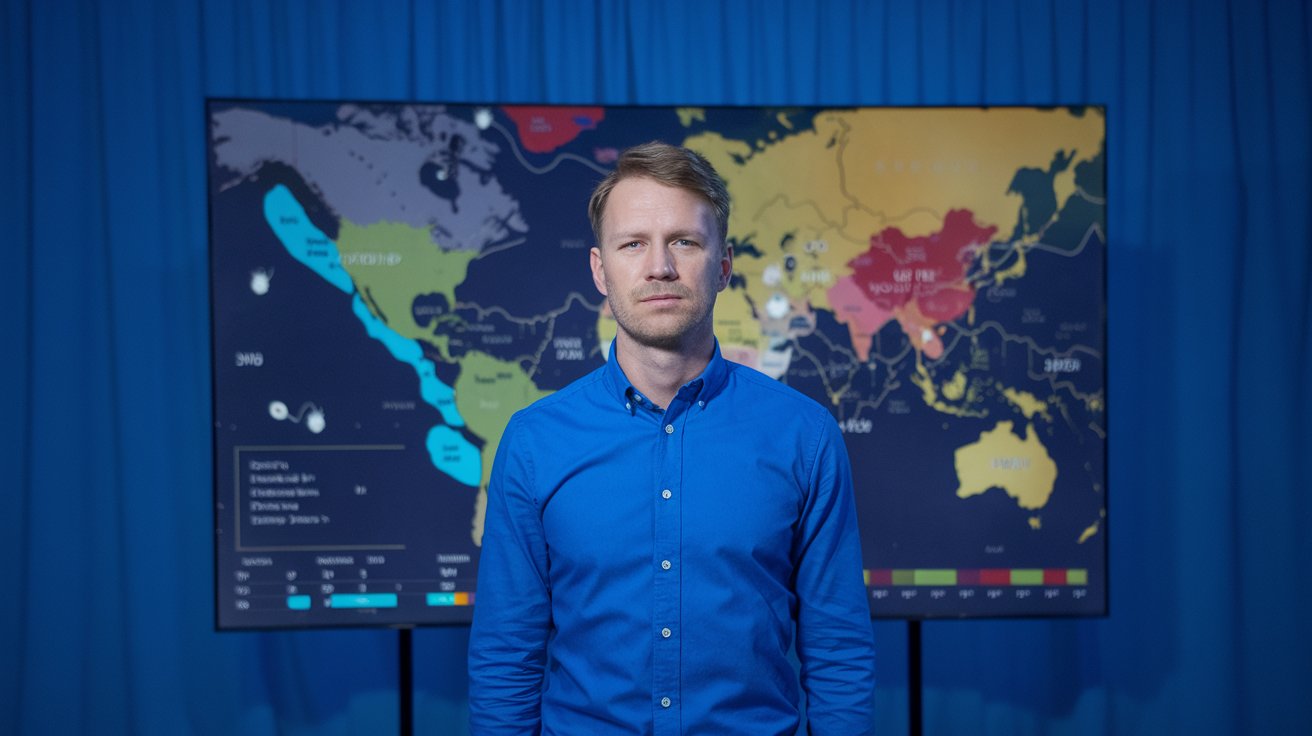
The scientist who studies weather is called a meteorologist, a professional who specializes in understanding atmospheric conditions, weather patterns, and climate phenomena. These atmospheric scientists use advanced technology and scientific principles to analyze, predict, and explain weather systems that affect our daily lives across the United States.
What Is a Meteorologist?
A meteorologist is a scientist who studies the Earth’s atmosphere and weather processes to understand and predict atmospheric phenomena. These professionals analyze atmospheric data using sophisticated instruments, computer models, and satellite imagery to forecast weather conditions. In 2024, the United States employs approximately 10,400 meteorologists across various sectors including government agencies, private companies, and research institutions.
The field of meteorology encompasses multiple specializations, from operational weather forecasting to climate research and atmospheric physics. Modern meteorologists combine traditional observational skills with cutting-edge technology, including Doppler radar, numerical weather prediction models, and artificial intelligence systems that help process vast amounts of atmospheric data collected daily across the country.
Core Responsibilities of Weather Scientists
Weather scientists perform diverse duties that range from daily forecasting to long-term climate analysis. They collect and analyze meteorological data from weather stations, satellites, and radiosondes to create accurate weather predictions. These professionals also monitor severe weather events like hurricanes, tornadoes, and blizzards, providing critical warnings that protect lives and property throughout the United States.
Types of Meteorological Work
The profession includes operational meteorologists who work at weather forecast offices, research meteorologists who study atmospheric processes, and broadcast meteorologists who communicate weather information to the public. Each specialization requires different skills and focuses on specific aspects of atmospheric science, from real-time forecasting to understanding climate change impacts on regional weather patterns.
Educational Requirements for Weather Scientists
Becoming a professional meteorologist requires a strong educational foundation in atmospheric sciences, physics, and mathematics. Most positions require at least a bachelor’s degree in meteorology, atmospheric science, or a related field such as physics or mathematics with coursework in meteorology. In 2024, approximately 95% of practicing meteorologists in the United States hold at least a bachelor’s degree.
Advanced positions, particularly in research meteorology and academia, typically require master’s or doctoral degrees. The curriculum includes courses in thermodynamics, fluid dynamics, atmospheric physics, climatology, and computer programming. Many programs also emphasize hands-on experience with weather forecasting tools and data analysis software used throughout the meteorological community.
Undergraduate Degree Requirements
A typical meteorology degree program includes coursework in calculus, physics, chemistry, and computer science alongside specialized atmospheric science classes. Students study weather analysis, forecasting techniques, and atmospheric modeling while gaining practical experience through internships at National Weather Service offices or private weather companies across the United States.
Graduate Education and Specialization
Graduate programs in meteorology allow students to specialize in areas such as severe weather research, climate modeling, or atmospheric chemistry. These advanced degrees are essential for research positions and often required for leadership roles in government agencies like NOAA or the National Weather Service, where cutting-edge atmospheric research drives weather prediction improvements.
Career Opportunities for Atmospheric Scientists
The weather science career field offers diverse opportunities across government, private industry, and academia. The National Weather Service employs the largest number of meteorologists in the United States, with approximately 4,000 forecasters and support scientists working at 122 Weather Forecast Offices nationwide. These professionals provide critical weather services including daily forecasts, severe weather warnings, and climate monitoring.
Private sector meteorologists work for companies like AccuWeather, The Weather Channel, and agricultural consulting firms, providing specialized forecasting services for industries ranging from aviation to renewable energy. The growing emphasis on climate adaptation and extreme weather preparedness has created new opportunities in sectors such as insurance, emergency management, and environmental consulting.
Government Meteorology Positions
Federal meteorology careers include positions with NOAA, the National Weather Service, and the Department of Defense. These roles involve operational forecasting, research, and development of new weather prediction technologies. Government meteorologists also work on climate monitoring, hurricane tracking, and providing weather support for military operations and space launches.
Private Sector Weather Science Jobs
The private weather industry has expanded significantly, with companies providing specialized forecasting services for agriculture, energy, transportation, and media sectors. These positions often offer higher salaries than government roles and may involve developing custom weather products, consulting on weather-related business decisions, or providing on-air broadcast meteorology services.
Salary and Job Outlook for Weather Scientists
According to the Bureau of Labor Statistics, the median annual wage for atmospheric scientists in the United States was $99,740 in 2024. However, salaries vary significantly by sector and experience level. Entry-level meteorologists typically earn between $45,000 and $65,000 annually, while experienced professionals in specialized roles can earn over $150,000 per year.
The job outlook for meteorological careers remains positive, with employment projected to grow 6% from 2024 to 2034, faster than the average for all occupations. This growth is driven by increasing demand for weather information in agriculture, renewable energy, and climate adaptation planning, as well as the need for more sophisticated weather prediction capabilities in the face of changing climate patterns.
Specialized Areas Within Meteorology
Modern atmospheric science encompasses numerous specialized fields that focus on different aspects of weather and climate research. These specializations allow meteorologists to develop expertise in specific areas of atmospheric science, from studying severe thunderstorms to analyzing long-term climate trends. Each specialization requires unique skills and knowledge while contributing to our overall understanding of atmospheric processes.
Climatology and Climate Science
Climatologists study long-term weather patterns and climate change impacts on regional and global scales. These scientists analyze historical weather data, study paleoclimate records, and use climate models to understand how atmospheric conditions are changing over decades and centuries. Their work is crucial for understanding climate change impacts across the United States.
Severe Weather Research
Severe weather meteorologists specialize in studying tornadoes, hurricanes, and extreme weather events. These researchers use mobile radar systems, conduct storm chasing operations, and analyze atmospheric conditions that produce dangerous weather. Their work helps improve warning systems and understanding of severe weather formation processes that affect communities nationwide.
Aviation and Marine Meteorology
Specialized aviation meteorologists provide weather services for airports and flight operations, while marine meteorologists focus on ocean and coastal weather phenomena. These professionals must understand how atmospheric conditions affect aircraft operations or maritime activities, providing critical safety information for transportation sectors across the United States.
Technology and Tools Used by Weather Scientists
Modern meteorological technology has revolutionized how weather scientists collect, analyze, and interpret atmospheric data. Today’s meteorologists use sophisticated radar systems, satellite imagery, computer models, and artificial intelligence to understand and predict weather patterns with unprecedented accuracy. These technological advances have transformed meteorology from a largely observational science to a highly computational field.
Weather prediction models run on supercomputers process millions of atmospheric observations daily, creating forecasts that extend up to two weeks into the future. Doppler radar networks across the United States provide real-time precipitation and wind data, while geostationary satellites monitor cloud patterns, atmospheric temperatures, and severe weather development from space.
Skills and Qualities of Successful Meteorologists
Effective weather scientists combine strong analytical skills with excellent communication abilities, as they must interpret complex atmospheric data and convey findings to diverse audiences. Mathematical proficiency is essential, as meteorology relies heavily on physics equations, statistical analysis, and computer modeling. In 2024, successful meteorologists also demonstrate adaptability to rapidly evolving technology and maintain continuous learning habits to stay current with advancing atmospheric science.
Critical thinking and problem-solving skills are fundamental for meteorological analysis, as weather scientists must synthesize information from multiple sources to create accurate forecasts. The ability to work under pressure is crucial, especially for operational meteorologists who must make rapid decisions during severe weather events that could impact public safety across affected regions.
Related video about what type of scientist studies weather
This video complements the article information with a practical visual demonstration.
Everything you need to know about what type of scientist studies weather
What degree do you need to become a meteorologist?
Most meteorologist positions require at least a bachelor’s degree in meteorology, atmospheric science, or a related field like physics or mathematics with meteorology coursework. Advanced research positions typically require master’s or doctoral degrees. The curriculum includes physics, calculus, thermodynamics, and specialized atmospheric science courses.
How much do weather scientists make in the United States?
The median annual salary for atmospheric scientists was $99,740 in 2024 according to the Bureau of Labor Statistics. Entry-level positions typically pay $45,000-$65,000 annually, while experienced meteorologists in specialized roles can earn over $150,000 per year, depending on sector and location.
What is the difference between a meteorologist and a climatologist?
Meteorologists primarily focus on short-term weather forecasting and current atmospheric conditions, while climatologists study long-term climate patterns and trends over years, decades, or centuries. Both are atmospheric scientists, but climatologists analyze historical data and climate change impacts rather than daily weather predictions.
Where do meteorologists work in the United States?
Meteorologists work for government agencies like the National Weather Service and NOAA, private weather companies like AccuWeather and The Weather Channel, television stations, universities, and consulting firms. The largest employer is the federal government, with approximately 4,000 meteorologists working at Weather Forecast Offices nationwide.
Is the job market good for meteorologists?
Yes, the Bureau of Labor Statistics projects 6% job growth for atmospheric scientists from 2024-2034, faster than average for all occupations. Growing demand comes from agriculture, renewable energy, climate adaptation planning, and the need for more sophisticated weather prediction capabilities due to changing climate patterns.
Do meteorologists only predict weather?
No, meteorologists have diverse roles beyond forecasting. They conduct atmospheric research, study climate change, analyze severe weather patterns, provide aviation and marine weather services, develop weather prediction models, and work in emergency management. Many specialize in specific areas like hurricane research or agricultural meteorology.
| Career Aspect | Key Details | Benefits |
|---|---|---|
| Education Required | Bachelor’s degree minimum, advanced degrees for research | Strong foundation in physics and atmospheric science |
| Median Salary | $99,740 annually in 2024 | Competitive compensation with growth potential |
| Job Growth | 6% projected growth 2024-2034 | Above-average employment opportunities |
| Work Environment | Government agencies, private companies, research institutions | Diverse career paths and specialization options |
| Impact | Public safety, agriculture, aviation, climate research | Meaningful work protecting lives and property |