Geography Lesson Plan Templates & Activities for Grades K-12
Creating an effective geography lesson plan requires careful planning, engaging activities, and age-appropriate content that helps students understand our world’s physical and human features. Whether you’re teaching elementary students about continents or high schoolers about geopolitical systems, a well-structured geography lesson plan serves as your roadmap to educational success. This comprehensive guide provides templates, activities, and proven strategies to develop engaging geography lessons that meet current educational standards and capture student interest.
Essential Components of a Geography Lesson Plan
Every successful geography lesson plan contains specific elements that ensure educational objectives are met while maintaining student engagement. The foundation begins with clear learning objectives that align with national geography standards and state curriculum requirements. These objectives should specify what students will know, understand, and be able to do by the lesson’s end, incorporating both factual knowledge and critical thinking skills.
Assessment strategies form another crucial component of effective geography lesson plans. Teachers must incorporate both formative and summative assessments to gauge student understanding throughout the lesson. This includes pre-assessment activities to determine prior knowledge, ongoing checks for understanding during instruction, and post-lesson evaluations to measure achievement of learning objectives.
Learning Objectives and Standards Alignment
Developing clear learning objectives for your geography lesson plan requires alignment with the National Geography Standards established by the National Council for Geographic Education. These standards encompass six essential elements: the world in spatial terms, places and regions, physical systems, human systems, environment and society, and the uses of geography. Each lesson should target specific standards while incorporating age-appropriate vocabulary and concepts that build upon previous learning.
Assessment and Evaluation Methods
Effective assessment in geography lesson plans utilizes multiple evaluation methods to accommodate different learning styles and abilities. Performance-based assessments, such as map creation or geographic analysis projects, allow students to demonstrate spatial thinking skills. Traditional assessments like quizzes and tests measure factual knowledge retention, while portfolio assessments showcase student growth over time through collected work samples and reflections.
Grade-Level Specific Geography Lesson Planning
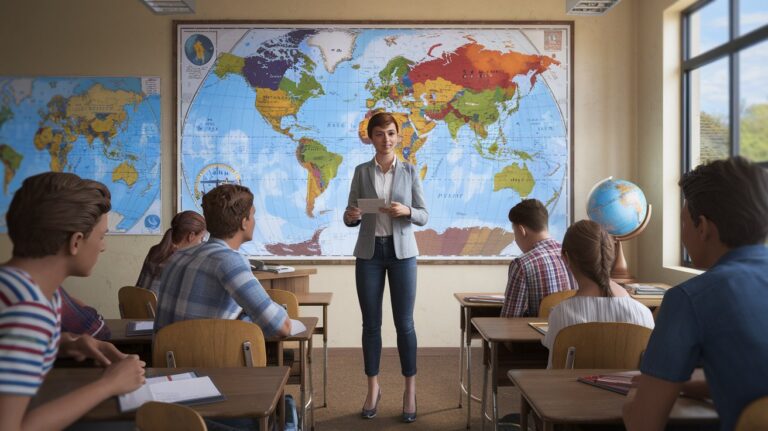
Designing geography lesson plans requires careful consideration of developmental appropriateness and cognitive abilities at each grade level. Elementary students benefit from concrete, hands-on activities that introduce basic geographic concepts through familiar examples and visual aids. Middle school students can handle more complex spatial relationships and begin analyzing geographic patterns, while high school students engage with sophisticated geographic theories and real-world applications.
Age-appropriate geography lesson plans also consider attention spans and learning preferences. Elementary lessons typically last 30-45 minutes with frequent activity changes, middle school lessons can extend to full class periods with varied instructional methods, and high school lessons may span multiple days for in-depth exploration of complex topics.
Elementary Geography Lesson Plans (K-5)
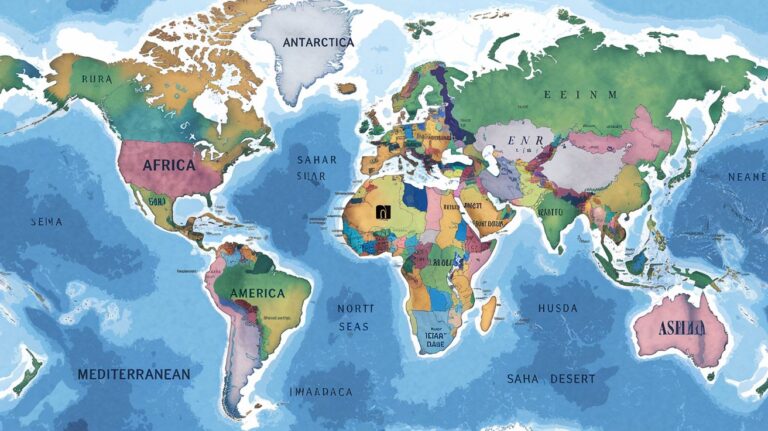
Elementary geography lesson plans focus on foundational concepts like directions, map symbols, landforms, and basic human geography. Activities include creating classroom maps, identifying continents and oceans, exploring local community geography, and learning about different cultures and places. Hands-on manipulatives, songs, and games make abstract geographic concepts concrete and memorable for young learners.
Middle School Geography Lesson Plans (6-8)
Middle school geography lesson plans introduce more sophisticated concepts including climate patterns, population distribution, economic systems, and cultural geography. Students analyze maps, graphs, and data while developing critical thinking skills about human-environment interaction. Project-based learning and collaborative activities help students explore geographic themes while building research and presentation skills.
High School Geography Lesson Plans (9-12)
High school geography lesson plans tackle complex topics such as geopolitics, urban planning, environmental sustainability, and global economic systems. Students engage with primary sources, conduct field research, and analyze geographic information systems (GIS) data. Advanced placement geography courses require rigorous lesson plans that prepare students for college-level geographic analysis and the AP Human Geography exam.
Interactive Geography Activities and Resources
Engaging geography lesson plans incorporate diverse activities that appeal to different learning styles while reinforcing key concepts. Interactive activities transform passive learning into active exploration, helping students develop spatial thinking skills and geographic literacy. These activities range from traditional map exercises to cutting-edge digital simulations that bring distant places into the classroom.
Successful geography lesson plans balance individual work, small group collaboration, and whole-class discussions to maximize learning opportunities. Technology integration enhances geography instruction through virtual field trips, satellite imagery analysis, and interactive mapping tools that provide real-time data and global perspectives.
Hands-On Geography Activities
Hands-on activities in geography lesson plans include creating topographic models with clay, conducting weather experiments, building cultural artifacts, and simulating trade routes. These tactile experiences help kinesthetic learners grasp abstract concepts while providing memorable learning experiences for all students. Outdoor activities like school grounds mapping and nature walks connect classroom learning to real-world environments.
Digital Geography Tools and Resources
Modern geography lesson plans leverage digital tools including Google Earth, ArcGIS Online, and National Geographic Education resources. These platforms provide access to current satellite imagery, demographic data, and interactive maps that enhance geographic understanding. Virtual reality applications and online cultural exchanges expand classroom boundaries, allowing students to explore distant places and cultures in immersive detail.
Differentiation Strategies for Geography Lessons
Effective geography lesson plans accommodate diverse learning needs through differentiated instruction strategies that modify content, process, and product based on student readiness, interests, and learning profiles. This approach ensures all students can access geographic content while being appropriately challenged to grow in their understanding.
Differentiated geography lesson plans provide multiple pathways to learning through varied instructional methods, flexible grouping strategies, and choice in how students demonstrate their knowledge. English language learners benefit from visual supports and collaborative activities, while advanced students engage with extension activities and independent research projects.
Supporting English Language Learners
Geography lesson plans for English language learners emphasize visual learning supports, vocabulary development, and cultural connections. Maps, charts, photographs, and graphic organizers help students understand content while developing academic language skills. Incorporating students’ home countries and cultures into geography lesson plans validates their experiences while building classroom community and global awareness.
Accommodating Special Learning Needs
Inclusive geography lesson plans incorporate universal design principles that benefit all learners while specifically supporting students with disabilities. Modified materials, assistive technology, and alternative assessment methods ensure equitable access to geographic content. Collaborative learning structures and peer support systems create inclusive classroom environments where all students can succeed in geography.
Technology Integration in Geography Education
Twenty-first century geography lesson plans seamlessly integrate technology to enhance student learning and engagement while preparing students for digital citizenship. Geographic Information Systems (GIS), virtual field trips, and online collaboration tools transform traditional geography instruction into dynamic, interactive experiences that reflect modern geographic practice.
Technology-enhanced geography lesson plans provide access to real-time data, global perspectives, and authentic learning experiences that were previously impossible in traditional classrooms. Students analyze current satellite imagery, track weather patterns, and communicate with peers worldwide, developing both geographic knowledge and digital literacy skills essential for 21st-century success.
Assessment Strategies for Geography Learning
Comprehensive assessment in geography lesson plans utilizes multiple evaluation methods to capture the full range of geographic learning outcomes. Performance-based assessments demonstrate spatial thinking skills, while traditional assessments measure content knowledge retention. Portfolio assessments showcase student growth over time through collected work samples and reflective writings.
Authentic assessment strategies in geography lesson plans connect classroom learning to real-world applications through community mapping projects, environmental impact studies, and cultural research investigations. These assessments develop critical thinking skills while demonstrating the practical relevance of geographic knowledge in students’ lives and future careers.
Cross-Curricular Geography Connections
Integrated geography lesson plans strengthen learning by connecting geographic concepts to other subject areas including history, science, mathematics, and language arts. These connections help students understand the interdisciplinary nature of geography while reinforcing learning across the curriculum through meaningful, authentic contexts.
Cross-curricular geography lesson plans develop critical thinking skills as students analyze historical events through geographic lenses, apply mathematical concepts to demographic data, and use scientific methods to study environmental processes. Literature connections introduce students to diverse cultures and places while developing reading comprehension and cultural awareness simultaneously.
Professional Development for Geography Teachers
Effective geography lesson plan development requires ongoing professional learning to stay current with educational research, geographic content, and innovative teaching strategies. Professional development opportunities include workshops, conferences, graduate courses, and online learning communities that support continuous improvement in geography education.
Geography teacher professional development focuses on content knowledge updates, pedagogical strategies, and technology integration skills necessary for creating engaging geography lesson plans. National organizations like the National Council for Geographic Education provide resources, networking opportunities, and certification programs that enhance teacher effectiveness and student achievement in geography education.
Related video about geography lesson plan
This video complements the article information with a practical visual demonstration.
FAQ – Common Questions
How long should a geography lesson plan be for different grade levels?
Geography lesson plan duration varies by grade level: elementary lessons typically last 30-45 minutes to match shorter attention spans, middle school lessons can extend to 50-90 minute class periods, and high school geography lessons may span multiple days for complex topics. Consider student developmental needs, content complexity, and available class time when planning lesson duration.
What are the most important elements to include in a geography lesson plan?
Essential geography lesson plan elements include clear learning objectives aligned with national standards, engaging opening activities, varied instructional strategies, hands-on activities, formative assessments, and closing summaries. Additionally, include differentiation strategies, required materials lists, and extension activities for diverse learner needs. Technology integration and cross-curricular connections enhance lesson effectiveness.
How can I make geography lesson plans more engaging for students?
Make geography lesson plans engaging through interactive activities like virtual field trips, hands-on mapping exercises, role-playing simulations, and real-world problem-solving scenarios. Incorporate current events, student interests, and cultural connections. Use multimedia resources, collaborative learning structures, and choice-based assignments to accommodate different learning preferences and maintain high engagement levels.
What technology tools work best for geography lesson plans?
Effective technology tools for geography lesson plans include Google Earth for virtual exploration, ArcGIS Online for mapping activities, National Geographic Education resources for multimedia content, and weather tracking websites for real-time data analysis. Virtual reality applications, online cultural exchanges, and collaborative platforms enhance student engagement while developing digital literacy skills.
How do I align my geography lesson plans with state and national standards?
Align geography lesson plans with the National Geography Standards and your state’s social studies standards by identifying specific learning objectives that match required benchmarks. Use standards documents to guide content selection, assessment design, and skill development. Many state education websites provide alignment guides and sample lessons that demonstrate standards-based geography instruction.
What are some effective assessment strategies for geography lesson plans?
Effective geography assessment strategies include performance-based tasks like map creation and spatial analysis, portfolio collections showcasing growth over time, collaborative projects demonstrating research skills, and traditional assessments measuring content knowledge. Use rubrics for consistent evaluation, incorporate peer and self-assessment opportunities, and provide multiple ways for students to demonstrate geographic understanding and spatial thinking skills.
| Grade Level | Key Focus Areas | Recommended Activities |
|---|---|---|
| Elementary (K-5) | Basic concepts, directions, community geography | Map games, cultural exploration, hands-on projects |
| Middle School (6-8) | Regional geography, human-environment interaction | Research projects, data analysis, collaborative work |
| High School (9-12) | Global systems, geopolitics, advanced analysis | GIS projects, field research, AP exam preparation |