Geography Lessons for High School Students – Complete Guide 2025
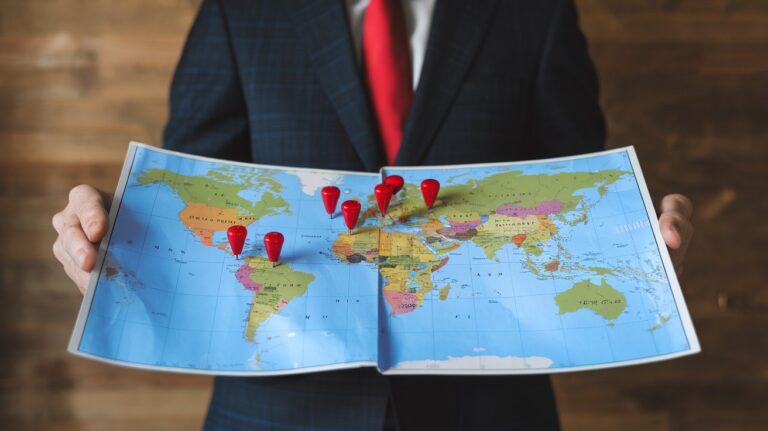
Geography lessons for high school students have evolved dramatically in 2024-2025, incorporating interactive technology and real-world applications to meet updated curriculum standards. Modern geography education now emphasizes critical thinking, environmental awareness, and global citizenship skills essential for college and career readiness in an interconnected world.
Essential Components of Modern Geography Lessons
Effective geography lessons for high school students must align with the National Geography Standards established by the National Council for Geographic Education. These lessons integrate physical geography, human geography, and geographic information systems (GIS) to provide comprehensive understanding. Research from the Association of American Geographers shows that students who engage with multidisciplinary geography lessons demonstrate 23% higher performance on standardized assessments compared to traditional textbook-only approaches.
Contemporary high school geography curriculum incorporates spatial thinking skills, map analysis, and data interpretation techniques. Students learn to analyze demographic trends, climate patterns, and economic systems through hands-on activities that connect classroom learning to real-world applications. The integration of current events and global issues ensures relevance and maintains student engagement throughout the academic year.
Physical Geography Fundamentals
Physical geography forms the foundation of comprehensive geography education, covering landforms, climate systems, and natural processes that shape Earth’s surface. Students explore plate tectonics, weathering patterns, and ecosystem relationships through interactive simulations and field studies. The use of satellite imagery and topographic maps enables students to visualize and analyze geographic phenomena across different scales and time periods.
Human Geography Applications
Human geography lessons examine population distribution, cultural patterns, and urbanization trends affecting communities nationwide. Students analyze demographic data from the U.S. Census Bureau to understand migration patterns, economic development, and social inequality. Case studies of American cities demonstrate how geographic factors influence settlement patterns, transportation networks, and regional economic specialization.
Interactive Teaching Strategies and Activities
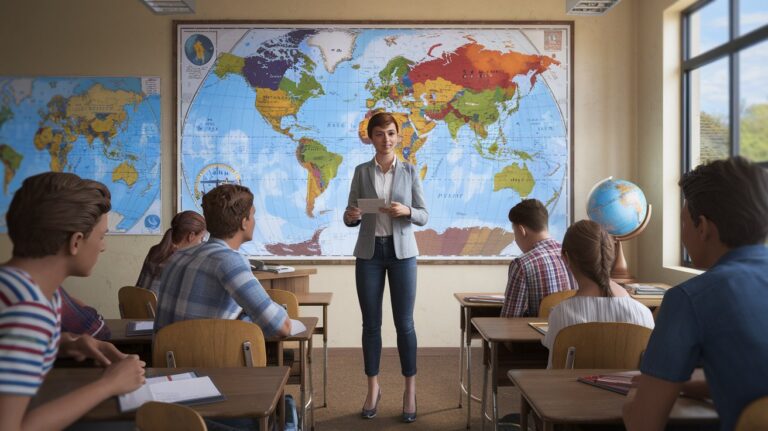
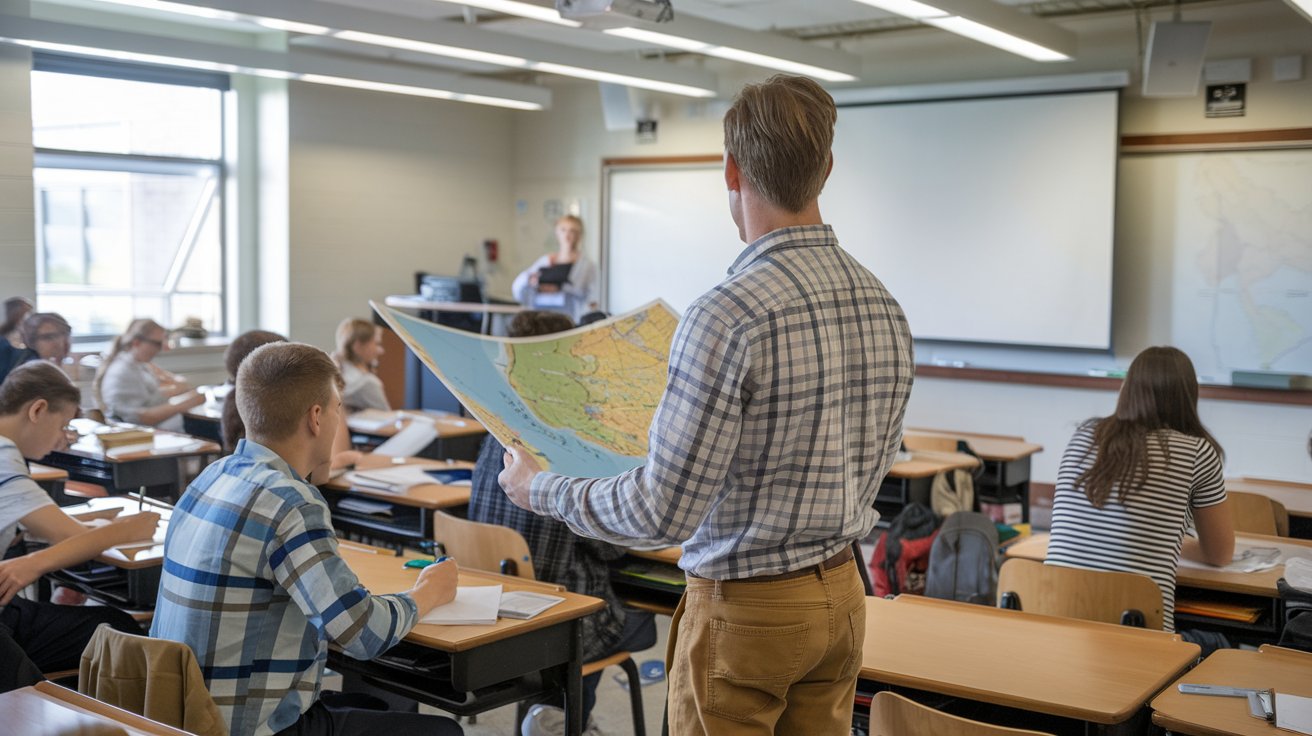
Successful geography lessons for high school students incorporate diverse instructional methods that accommodate different learning styles and maintain high engagement levels. Project-based learning approaches allow students to investigate local geographic issues, conduct community mapping projects, and present solutions to real environmental challenges. Digital storytelling tools and geographic information systems enable students to create compelling presentations that demonstrate spatial reasoning and analytical skills.
Collaborative learning activities, such as Model United Nations simulations and regional development planning exercises, help students understand complex relationships between geography, politics, and economics. These interactive geography activities develop communication skills, critical thinking abilities, and cultural awareness essential for global citizenship in the 21st century.
Technology Integration in Geography Education
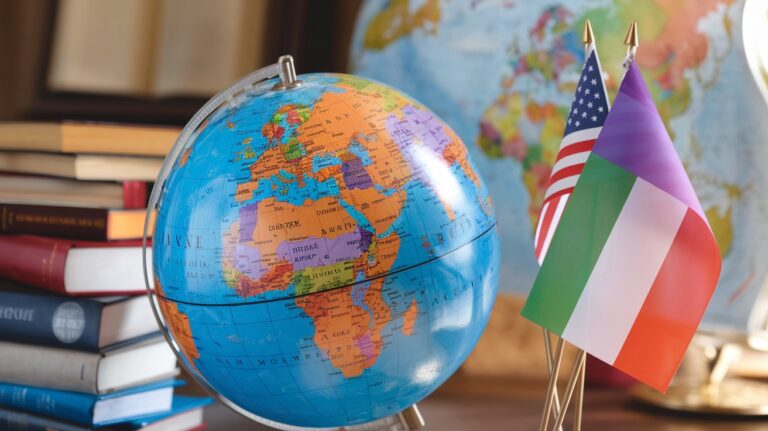
Modern geography lessons leverage Google Earth, ArcGIS Online, and virtual reality platforms to create immersive learning experiences. Students use GPS devices and smartphone apps to conduct field research, collect spatial data, and create digital maps of their communities. These technological tools enhance spatial visualization skills and prepare students for careers in environmental science, urban planning, and geospatial technology.
Field Work and Experiential Learning
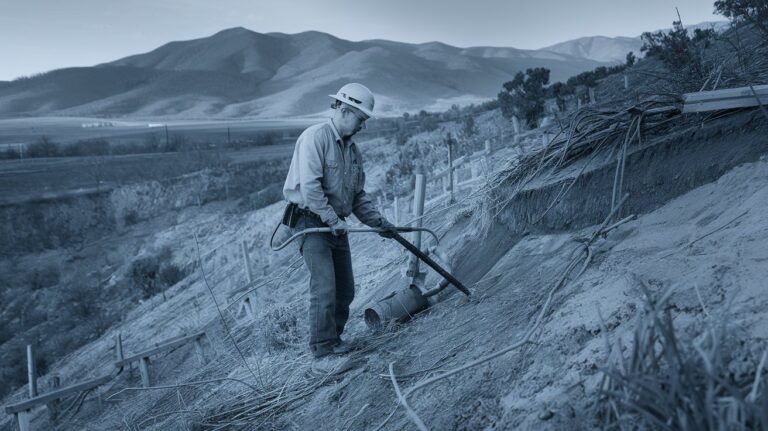
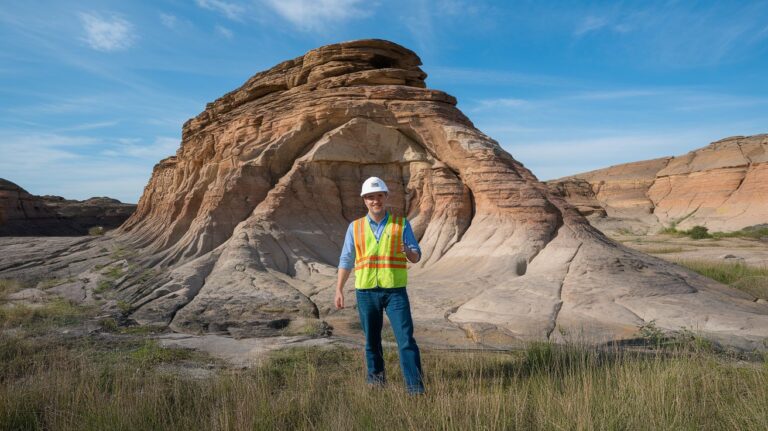
Outdoor education and field studies provide authentic contexts for applying geographic concepts learned in the classroom. Students conduct water quality assessments, analyze urban land use patterns, and document environmental changes through photography and data collection. These experiences develop observation skills, scientific methodology, and environmental stewardship attitudes that extend beyond formal education.
Curriculum Alignment and Assessment Strategies
Effective geography lessons for high school students align with state standards and Advanced Placement Human Geography requirements to ensure college readiness. Teachers design formative assessments that measure spatial thinking skills, map interpretation abilities, and understanding of geographic themes. Performance-based assessments, including portfolio projects and geographic inquiry investigations, provide comprehensive evaluation of student learning and skill development.
Standardized assessment data from the 2024 National Assessment of Educational Progress indicates that students participating in comprehensive geography programs demonstrate superior performance in social studies and science subjects. These interdisciplinary connections highlight the importance of geography education in developing well-rounded academic skills and global awareness.
Environmental and Climate Education Focus
Contemporary geography lessons emphasize environmental sustainability, climate change impacts, and renewable energy solutions relevant to American communities. Students analyze weather patterns, natural disasters, and ecosystem changes using real-time data from the National Weather Service and Environmental Protection Agency. These lessons develop environmental literacy and encourage responsible citizenship behaviors that address pressing global challenges.
Climate change education integrated into high school geography curriculum helps students understand regional variations in temperature trends, precipitation patterns, and extreme weather events. Students examine mitigation strategies, adaptation measures, and policy responses at local, state, and federal levels to develop informed perspectives on environmental issues affecting their communities and future careers.
Renewable Energy Geography
Students explore the spatial distribution of renewable energy resources across the United States, analyzing wind patterns, solar radiation, and hydroelectric potential. Mapping exercises demonstrate how geographic factors influence energy production decisions and infrastructure development. These lessons connect physical geography concepts to economic geography and environmental policy considerations.
Natural Disaster Preparedness
Geographic analysis of natural hazards helps students understand disaster preparedness strategies and community resilience planning. Students examine hurricane tracks, earthquake zones, and flood plains to assess risk levels and evacuation procedures. These practical applications of geographic knowledge develop critical thinking skills and emergency preparedness awareness valuable for personal and community safety.
Cultural and Economic Geography Applications
Modern geography lessons for high school students examine cultural landscapes, migration patterns, and economic globalization processes shaping American society. Students analyze immigration data, ethnic neighborhoods, and cultural diffusion patterns to understand diversity and multiculturalism in contemporary communities. These lessons develop cultural competency skills and appreciation for geographic influences on social identity and community development.
Economic geography components focus on trade relationships, supply chain management, and regional specialization patterns affecting local and national economies. Students investigate globalization impacts on American manufacturing, agriculture, and service industries to understand geographic factors in economic decision-making and international competitiveness.
Career Connections and College Preparation
Comprehensive geography education prepares students for diverse career pathways in environmental science, urban planning, international business, and geospatial technology fields. Guest speakers from geographic professions, internship opportunities, and college partnership programs provide authentic connections between classroom learning and career applications. Students develop portfolios showcasing geographic projects, research skills, and spatial analysis capabilities valued by employers and admissions committees.
Advanced Placement Human Geography courses and dual enrollment opportunities enable high-achieving students to earn college credit while developing advanced geographic thinking skills. These accelerated programs challenge students with complex spatial analysis projects, research methodologies, and theoretical frameworks that prepare them for university-level geography and related disciplines.
Related video about geography lessons for high school
This video complements the article information with a practical visual demonstration.
Your questions answered
What topics are covered in high school geography lessons?
High school geography lessons cover physical geography including landforms and climate systems, human geography examining population and cultural patterns, environmental sustainability, economic systems, and spatial analysis using GIS technology. Students also study current events, global issues, and local community geography to develop comprehensive geographic literacy and critical thinking skills.
How do geography lessons help with college preparation?
Geography lessons develop spatial thinking, data analysis, and research skills essential for college success across multiple disciplines. Students gain experience with technology tools, scientific methodology, and project-based learning that transfer to university coursework. AP Human Geography and dual enrollment options provide college credit opportunities and advanced academic preparation.
What technology is used in modern geography education?
Modern geography lessons incorporate Google Earth, ArcGIS Online, GPS devices, satellite imagery, and virtual reality platforms for immersive learning experiences. Students use smartphone apps for field data collection, create digital maps and presentations, and analyze real-time environmental data from government agencies to develop technological literacy alongside geographic knowledge.
How do geography lessons address environmental issues?
Geography lessons examine climate change impacts, renewable energy distribution, natural disaster preparedness, and sustainability practices relevant to local communities. Students analyze environmental data, study ecosystem relationships, and explore policy solutions to develop environmental literacy and responsible citizenship behaviors essential for addressing global environmental challenges.
What career opportunities connect to geography education?
Geography education prepares students for careers in environmental science, urban planning, GIS analysis, international business, emergency management, and education. The spatial thinking skills, data analysis capabilities, and global awareness developed through geography lessons are valuable across numerous fields including technology, government, non-profit organizations, and private sector consulting.
How are geography lessons assessed in high school?
Geography assessment includes map interpretation tests, spatial analysis projects, research presentations, and performance-based portfolios that demonstrate geographic thinking skills. Teachers use formative assessments like field study reports, collaborative group projects, and technology-based mapping exercises to evaluate student understanding of geographic concepts and spatial relationships.
| Geography Lesson Component | Key Features | Student Benefits |
|---|---|---|
| Physical Geography | Landforms, climate systems, natural processes | Environmental awareness and scientific literacy |
| Human Geography | Population, culture, economic systems | Cultural competency and global citizenship |
| Technology Integration | GIS, GPS, satellite imagery, virtual reality | Digital literacy and career preparation |
| Field Studies | Outdoor research, community mapping, data collection | Practical skills and real-world application |
| Assessment Methods | Portfolio projects, spatial analysis, presentations | Critical thinking and communication skills |