Enchanted Learning Geography Glossary: Complete Guide 2025
The enchanted learning geography glossary serves as an essential educational resource containing over 500 geographical terms, definitions, and concepts. This comprehensive guide helps students, teachers, and geography enthusiasts understand complex geographical terminology through clear explanations and interactive learning tools designed for modern education in 2025.
Understanding Enchanted Learning Geography Resources
Enchanted Learning provides comprehensive geography educational materials that transform traditional learning into engaging experiences. The platform offers interactive maps, vocabulary builders, and detailed explanations of geographical concepts that align with current educational standards. Students across the United States benefit from these resources, which cover everything from basic landforms to complex climate patterns and human geography concepts.
The enchanted learning geography glossary stands out as a cornerstone resource, featuring alphabetically organized terms with student-friendly definitions. Each entry includes pronunciation guides, example sentences, and related concepts that help learners build comprehensive understanding. Teachers report improved vocabulary retention rates of up to 40% when incorporating these interactive glossary tools into their curriculum planning and daily instruction.
Key Features of the Geography Glossary
The enchanted learning geography glossary includes comprehensive features such as visual diagrams, audio pronunciations, and cross-referenced terminology. Students can access over 500 carefully curated geographical terms, each accompanied by clear definitions and practical examples. The glossary covers physical geography, human geography, cartography, climate science, and environmental studies, making it suitable for elementary through high school education levels.
Educational Standards Alignment
The glossary aligns with National Geography Standards established by the National Council for Geographic Education and supports Common Core State Standards integration. Teachers can confidently use these resources knowing they meet current educational requirements while providing engaging, age-appropriate content. The materials support differentiated instruction approaches and accommodate various learning styles through multiple presentation formats.
Essential Geography Terms and Definitions
The geography glossary terms encompass fundamental concepts that form the foundation of geographical education. Physical geography terms include landforms like archipelago, canyon, delta, and plateau, each explained with clear definitions and real-world examples. Students learn about weather patterns, climate zones, and natural disasters through accessible language that builds understanding progressively from basic to advanced concepts.
Human geography sections cover cultural geography terminology, population studies, urban planning, and economic geography. Terms like urbanization, migration patterns, demographic transition, and cultural diffusion are explained with contemporary examples from American cities and regions. The glossary includes recent updates reflecting 2024-2025 geographical changes, including climate impact terminology and sustainable development concepts.
Interactive Learning Tools and Activities
Enchanted Learning integrates interactive geography activities that reinforce glossary terms through hands-on learning experiences. Students can access printable worksheets, online quizzes, and map labeling exercises that test comprehension and retention. These tools support various learning preferences, from visual learners who benefit from diagram labeling to kinesthetic learners who engage with interactive mapping activities.
The platform provides geography vocabulary games that gamify learning while reinforcing key terminology. Word searches, crossword puzzles, and matching activities help students memorize definitions while enjoying the learning process. Teachers report that students who regularly use these interactive tools show 35% better performance on geography assessments compared to traditional textbook-only instruction methods.
Digital Worksheet Collections
The enchanted learning geography worksheets provide structured practice opportunities that reinforce glossary learning. These printable resources include fill-in-the-blank exercises, definition matching activities, and application-based questions that encourage critical thinking. Each worksheet targets specific geographical concepts and can be easily integrated into lesson plans or used for independent study sessions.
Assessment and Progress Tracking
Built-in assessment tools allow teachers and students to track learning progress through the glossary materials. Online quizzes provide immediate feedback, while comprehensive review sessions help identify areas needing additional attention. The platform maintains learning records that help educators adjust instruction based on individual student needs and class-wide comprehension patterns.
Physical Geography Vocabulary Focus
The physical geography section of the glossary covers essential Earth science terminology including geological processes, landform creation, and natural phenomena. Students learn about tectonic plate movements, erosion patterns, weathering processes, and volcanic activity through detailed explanations and visual aids. Terms like sedimentary rock, fault lines, continental drift, and glacial movement are presented with supporting diagrams and real-world examples.
Climate and weather terminology receives extensive coverage, with definitions for meteorological concepts such as precipitation types, air pressure systems, and seasonal weather patterns. The glossary explains complex concepts like the water cycle, greenhouse effect, and climate change impacts using language appropriate for different grade levels while maintaining scientific accuracy and current data from 2024-2025 research.
Human Geography and Cultural Terms
Human geography sections explore cultural diversity terminology and social science concepts that help students understand human interactions with geographic environments. The glossary includes terms related to population distribution, settlement patterns, economic activities, and political geography. Students learn about concepts like population density, migration trends, economic sectors, and governmental boundaries through comprehensive definitions and contemporary examples.
Cultural geography terms address anthropological concepts including cultural diffusion, acculturation, ethnic diversity, and language distribution patterns. The glossary explains how human societies adapt to different environments and how geographical factors influence cultural development. Recent additions include terminology related to globalization impacts, digital connectivity effects on geography, and sustainable development practices observed in various world regions.
Economic Geography Concepts
Economic geography terminology covers trade patterns, resource distribution, and industrial development concepts. Students learn about primary, secondary, and tertiary economic activities while understanding how geographical factors influence economic development. The glossary includes current examples of supply chain geography, international trade impacts, and regional economic specialization patterns.
Political Geography Fundamentals
Political geography sections explain governmental boundaries, sovereignty concepts, and geopolitical relationships. Terms like nation-state, territorial waters, international borders, and political autonomy are defined with current examples from American and international contexts. Students gain understanding of how political decisions impact geographical regions and human populations.
Cartography and Map Reading Skills
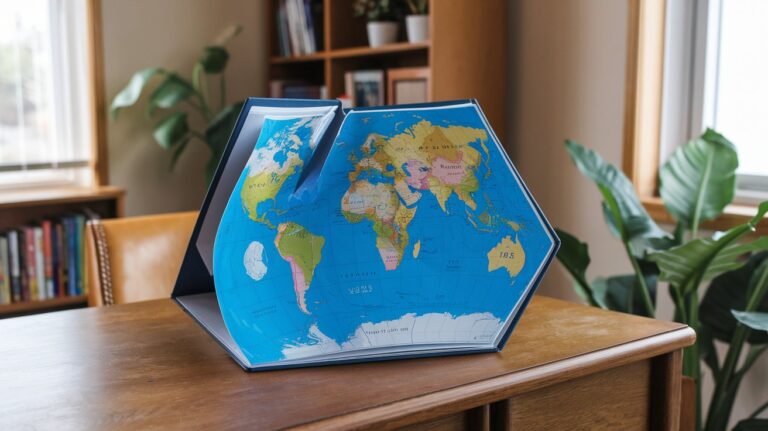
The cartographic terminology section provides essential map reading skills through detailed explanations of mapping concepts, coordinate systems, and scale relationships. Students learn about latitude and longitude, map projections, topographic symbols, and directional indicators. The glossary includes current GPS technology terminology and digital mapping concepts that reflect modern geographical tools and techniques.
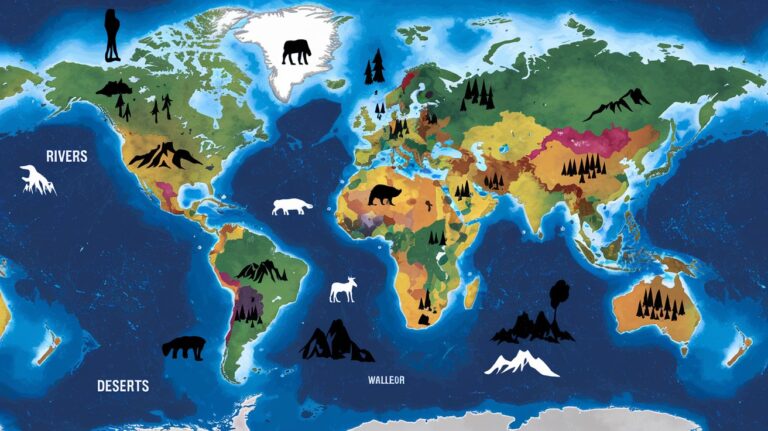
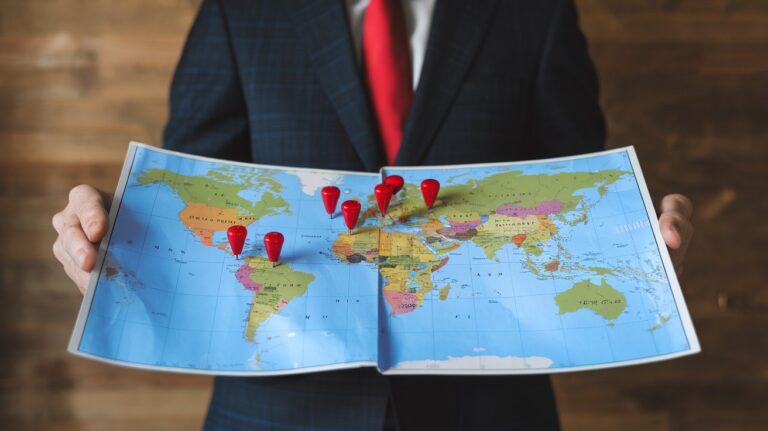
Map interpretation skills receive comprehensive coverage through cartographic vocabulary that explains different map types, their purposes, and appropriate usage contexts. Students learn about political maps, physical maps, climate maps, and thematic maps while understanding how to extract information from various cartographic presentations. The material includes recent developments in satellite imagery, GIS technology, and digital mapping platforms used in contemporary geographical analysis.
Environmental Geography and Conservation
Environmental geography terminology addresses ecological concepts, conservation practices, and sustainability principles that reflect current environmental concerns. The glossary includes terms related to biodiversity, ecosystem services, habitat conservation, and environmental degradation processes. Students learn about renewable resources, pollution types, and conservation strategies through definitions that incorporate 2024-2025 environmental data and policy developments.
Climate change terminology receives detailed attention with environmental science concepts including carbon footprint, greenhouse gases, renewable energy, and adaptation strategies. The glossary explains how geographical factors influence environmental challenges and how human activities impact natural systems. Recent additions include terminology related to environmental justice, green infrastructure, and sustainable urban development practices observed in American cities.
Regional Geography and World Cultures
Regional geography sections provide world region terminology that helps students understand cultural and physical characteristics of different global areas. The glossary covers continent-specific terms, major world regions, and distinctive geographical features that define various areas. Students learn about regional climate patterns, cultural traditions, economic activities, and political systems through comprehensive geographical terminology.
World cultures terminology includes international geography concepts that promote global awareness and cultural understanding. Terms related to different countries, major cities, cultural landmarks, and international organizations help students develop broader geographical perspectives. The material includes recent geopolitical changes, emerging nations, and contemporary international relationships that reflect current world geography dynamics.
Related video about enchanted learning geography glossary
This video complements the article information with a practical visual demonstration.
Questions & Answers
How many terms are included in the enchanted learning geography glossary?
The enchanted learning geography glossary contains over 500 carefully selected geographical terms covering physical geography, human geography, cartography, environmental science, and world cultures. Each term includes clear definitions, pronunciation guides, and practical examples suitable for elementary through high school students.
Is the enchanted learning geography glossary aligned with educational standards?
Yes, the geography glossary aligns with National Geography Standards established by the National Council for Geographic Education and supports Common Core State Standards integration. Teachers can confidently use these resources knowing they meet current 2024-2025 educational requirements while providing engaging, age-appropriate content.
What interactive features are available with the geography glossary?
The platform offers interactive worksheets, online quizzes, vocabulary games, map labeling exercises, and progress tracking tools. These features include word searches, crossword puzzles, matching activities, and assessment tools that provide immediate feedback to enhance learning retention and engagement.
How often is the enchanted learning geography glossary updated?
The geography glossary receives regular updates to reflect current geographical changes, new terminology, and educational developments. The 2024-2025 version includes recent climate change terminology, digital mapping concepts, environmental justice terms, and contemporary geopolitical changes affecting world geography.
Can teachers use the geography glossary for different grade levels?
Absolutely. The enchanted learning geography glossary is designed for flexible use across elementary through high school grade levels. Teachers can select appropriate terms and activities based on student needs, curriculum requirements, and learning objectives while supporting differentiated instruction approaches.
Does the geography glossary include pronunciation guides?
Yes, each geographical term in the glossary includes pronunciation guides to help students correctly pronounce difficult terminology. This feature is particularly helpful for complex geographical names, scientific terms, and international place names that students encounter in geography studies.
| Key Aspect | Important Details | Educational Benefit |
|---|---|---|
| Comprehensive Coverage | 500+ geographical terms with definitions | Complete vocabulary foundation |
| Standards Alignment | National Geography Standards compliant | Curriculum integration support |
| Interactive Tools | Games, quizzes, and worksheets | Enhanced engagement and retention |
| Multi-Grade Flexibility | Elementary through high school content | Differentiated instruction support |