World Geography Lesson Plans: 25 Creative Teaching Ideas 2025
Effective world geography lesson plans transform abstract concepts into engaging learning experiences that help students understand our interconnected planet. These comprehensive teaching resources provide educators with structured activities, interactive exercises, and assessment tools designed to meet curriculum standards while sparking student curiosity about different cultures, physical features, and global connections across elementary, middle, and high school grade levels.
Essential Components of World Geography Lesson Plans
Modern world geography lesson plans incorporate multiple learning modalities to address diverse student needs and learning preferences. Successful geography lessons include clear learning objectives aligned with state standards, hands-on activities that encourage exploration, technology integration through digital mapping tools, and authentic assessment methods that measure student understanding beyond traditional testing formats.
Effective lesson planning begins with understanding your students’ prior knowledge and cultural backgrounds. Geography educators should incorporate diverse perspectives and avoid cultural stereotypes while presenting accurate, current information about world regions. The best lesson plans balance factual content delivery with critical thinking opportunities, encouraging students to analyze spatial relationships, compare cultural practices, and evaluate human-environment interactions across different global contexts.
Learning Objectives and Standards Alignment
Comprehensive geography lesson plans align with National Geography Standards and state-specific curriculum requirements, ensuring students develop spatial thinking skills, geographic knowledge, and cultural awareness. Modern standards emphasize understanding physical systems, human systems, environment and society interactions, and the uses of geography in decision-making processes throughout different grade levels and educational contexts.
Assessment Strategies and Evaluation Methods
Effective assessment in world geography education combines formative and summative evaluation techniques including map skills assessments, project-based learning rubrics, peer evaluations, and portfolio development. Teachers should incorporate multiple assessment formats such as digital presentations, collaborative research projects, and performance-based tasks that demonstrate student mastery of geographic concepts and spatial reasoning abilities.
Interactive Activities for Elementary Geography Lessons
Elementary world geography lesson plans focus on building foundational spatial awareness and cultural curiosity through age-appropriate activities and concrete learning experiences. Young learners respond well to hands-on activities, visual aids, storytelling, and games that introduce basic geographic concepts like continents, oceans, weather patterns, and cultural traditions without overwhelming complexity or abstract theoretical frameworks.
Successful elementary geography activities include creating classroom maps, conducting virtual field trips to different countries, organizing cultural celebration days, and engaging in pen pal exchanges with students from other regions. These interactive geography lessons help students develop global awareness while building vocabulary, reading comprehension, and research skills that support overall academic development and cultural competency throughout their educational journey.
Mapping Skills and Spatial Awareness Activities
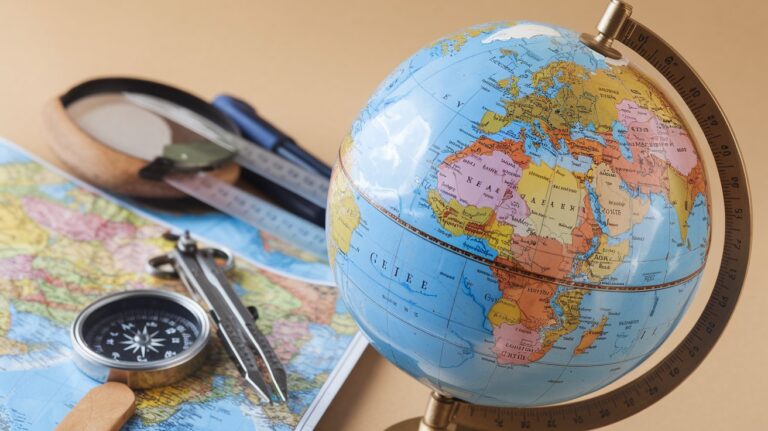
Elementary mapping activities include creating neighborhood maps, treasure hunt exercises, and simple coordinate games that teach direction, scale, and symbol interpretation. Students can construct three-dimensional continent models, practice using classroom globes, and participate in interactive floor map activities that reinforce spatial relationships and geographic vocabulary through movement and hands-on exploration.
Cultural Exploration and Diversity Projects
Culture-focused geography projects allow elementary students to explore world traditions, foods, clothing, languages, and customs through research presentations, artifact collections, and classroom celebrations. These activities promote cultural appreciation while developing research skills, public speaking confidence, and global citizenship awareness essential for success in our interconnected world.
Middle School World Geography Curriculum Ideas
Middle school world geography lesson plans bridge elementary foundations with more sophisticated analysis of human-environment interactions, economic systems, and political geography concepts. Students at this level can handle more complex topics including climate change impacts, population distribution patterns, resource management issues, and comparative government systems while developing critical thinking skills and research capabilities.
Effective middle school geography education emphasizes current events connections, technology integration, and collaborative learning opportunities that prepare students for high school social studies courses. Geography teachers should incorporate multimedia resources, primary source documents, and real-world problem-solving scenarios that demonstrate the relevance of geographic knowledge in understanding contemporary global challenges and opportunities.
Regional Study Approaches and Methods
Regional geography studies help middle school students understand the interconnections between physical features, climate patterns, cultural practices, and economic activities within specific world regions. Teachers can organize curriculum around continent-by-continent exploration or thematic approaches examining urbanization, migration patterns, or environmental challenges across multiple regions simultaneously.
Technology Integration and Digital Tools
Modern geography education technology includes Google Earth exploration, GIS mapping software, virtual reality field trips, and online collaboration platforms that enhance student engagement and spatial visualization skills. Digital tools allow students to analyze real-time data, create interactive presentations, and participate in global classroom exchanges that broaden their understanding of world geography concepts.
High School Advanced Geography Lesson Strategies
Advanced high school geography lessons emphasize analytical thinking, research methodology, and contemporary issue analysis that prepares students for college-level coursework and informed citizenship. Students explore complex topics including geopolitics, sustainable development, globalization impacts, and environmental policy while developing academic writing skills and presentation abilities essential for future success.
High school geography curriculum should incorporate Advanced Placement standards, dual enrollment opportunities, and career exploration connections that demonstrate practical applications of geographic knowledge in fields such as urban planning, environmental science, international business, and public policy development throughout various professional contexts and educational pathways.
Hands-On Geography Activities and Projects
Kinesthetic geography learning activities engage multiple senses and learning styles through model building, simulation games, role-playing exercises, and outdoor exploration opportunities. These hands-on approaches help students retain information more effectively while developing teamwork skills, creativity, and problem-solving abilities that transfer to other academic subjects and real-world situations.
Popular hands-on geography projects include creating topographic relief maps using clay or papier-mâché, organizing Model United Nations simulations, conducting local geographic surveys, and building scale models of famous landmarks or natural features. These activities make abstract concepts tangible while encouraging student ownership of learning and deeper understanding of spatial relationships and cultural connections.
Model Building and Physical Geography Projects
Physical geography models help students visualize landform processes, weather systems, and geological phenomena through three-dimensional construction projects. Students can create volcano models, watershed demonstrations, tectonic plate simulations, and climate zone dioramas that illustrate scientific processes while reinforcing geographic vocabulary and spatial relationships through tactile learning experiences.
Simulation Games and Role-Playing Scenarios
Educational geography simulations allow students to experience decision-making processes related to urban planning, resource management, and international relations through structured role-playing activities. These immersive experiences help students understand the complexity of geographic issues while developing negotiation skills, cultural sensitivity, and systems thinking abilities.
Free Geography Teaching Resources and Materials
Numerous high-quality free geography resources support educators in creating engaging lesson plans without significant budget constraints. Government agencies, educational nonprofits, and academic institutions provide downloadable maps, lesson plan templates, assessment rubrics, and multimedia content that align with curriculum standards and support diverse learning needs across all grade levels.
Valuable free resources include National Geographic Education materials, NASA climate data and satellite imagery, United States Geological Survey topographic maps, and international development organization country profiles. These geography teaching materials provide current, accurate information while offering multiple formats and accessibility options that accommodate different learning preferences and classroom technology capabilities.
Differentiation Strategies for Diverse Learners
Effective geography lesson differentiation accommodates students with varying ability levels, learning styles, cultural backgrounds, and language proficiencies through flexible instructional approaches and multiple representation methods. Teachers should provide choice in assessment formats, scaffold complex concepts with visual supports, and offer extension activities for advanced learners while ensuring all students can access core geographic content.
Successful differentiation includes providing multilingual resources, incorporating universal design for learning principles, offering various complexity levels within activities, and using assistive technology when appropriate. Inclusive geography education recognizes that students bring diverse cultural perspectives and prior experiences that can enrich classroom discussions and contribute to deeper understanding of global interconnections and cultural diversity.
Assessment and Evaluation in Geography Education
Comprehensive geography assessment strategies measure student progress across multiple dimensions including factual knowledge, spatial skills, critical thinking abilities, and cultural awareness development. Effective evaluation combines traditional testing methods with performance-based assessments, portfolio development, peer review processes, and self-reflection activities that provide holistic pictures of student learning and growth.
Modern geography assessment emphasizes authentic tasks that mirror real-world applications of geographic knowledge and skills. Geography evaluation methods should include map analysis exercises, research project presentations, collaborative problem-solving activities, and technology-enhanced demonstrations that allow students to showcase their understanding through various formats while developing communication and presentation skills essential for academic and professional success.
Related video about world geography lesson plans
This video complements the article information with a practical visual demonstration.
FAQ – Common Questions
What are the most important elements to include in world geography lesson plans?
Essential elements include clear learning objectives aligned with state standards, interactive activities that engage multiple learning styles, current and accurate geographic information, cultural diversity representation, assessment strategies, technology integration opportunities, and connections to real-world applications that demonstrate the relevance of geography in students’ lives.
How can teachers make geography lessons more engaging for students?
Teachers can increase engagement through hands-on activities like map making and model building, virtual field trips using technology, current events connections, guest speakers from different cultures, simulation games, collaborative projects, multimedia presentations, and outdoor exploration opportunities that make abstract concepts tangible and meaningful.
What free resources are available for creating geography lesson plans?
Excellent free resources include National Geographic Education materials, NASA Earth science data, USGS topographic maps, CIA World Factbook, Google Earth and Maps, educational YouTube channels, government agency websites, international organization publications, and university geography department online resources that provide current, accurate information for all grade levels.
How do I differentiate geography instruction for diverse learners?
Differentiation strategies include providing multiple representation formats, offering choice in assessment methods, using visual aids and graphic organizers, incorporating multilingual resources, scaffolding complex concepts, providing extension activities for advanced learners, accommodating different learning styles, and recognizing diverse cultural perspectives students bring to classroom discussions.
What assessment methods work best for evaluating geography learning?
Effective assessment combines traditional tests with performance-based evaluations including map skills demonstrations, research project presentations, portfolio development, peer assessments, collaborative problem-solving activities, technology-enhanced presentations, and self-reflection exercises that measure both content knowledge and spatial thinking skills development across multiple learning dimensions.
How can geography lessons connect to other subject areas?
Geography naturally integrates with history through historical events and cultural development, science through climate and environmental studies, mathematics through data analysis and coordinate systems, language arts through research and presentation skills, and art through map design and cultural expression studies, creating interdisciplinary learning opportunities.
| Grade Level | Key Focus Areas | Recommended Activities |
|---|---|---|
| Elementary (K-5) | Basic mapping, cultural awareness, continents and oceans | Map activities, cultural celebrations, virtual field trips |
| Middle School (6-8) | Regional studies, human-environment interaction, current events | Research projects, technology integration, collaborative learning |
| High School (9-12) | Advanced analysis, geopolitics, global issues | Research papers, simulations, AP preparation |