What Do Atmospheric Scientists Do? Career Guide 2025
Atmospheric scientists study the Earth’s atmosphere to understand weather patterns, climate change, and air quality. These professionals work in government agencies, private companies, and research institutions to forecast weather, conduct climate research, and develop environmental solutions that protect public safety and inform policy decisions across the United States.
Core Responsibilities of Atmospheric Scientists
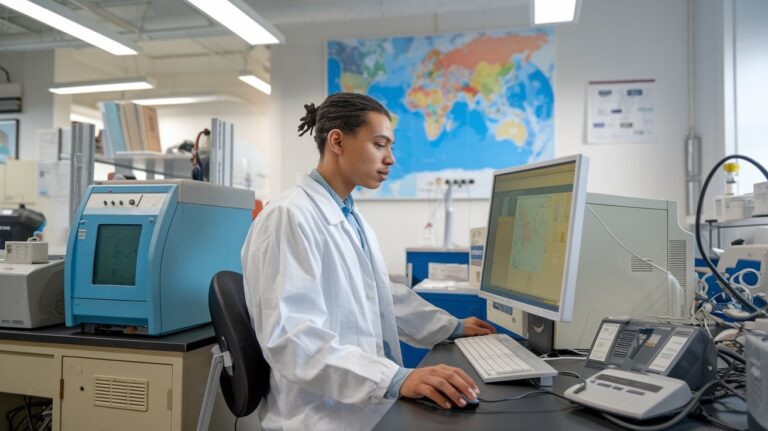
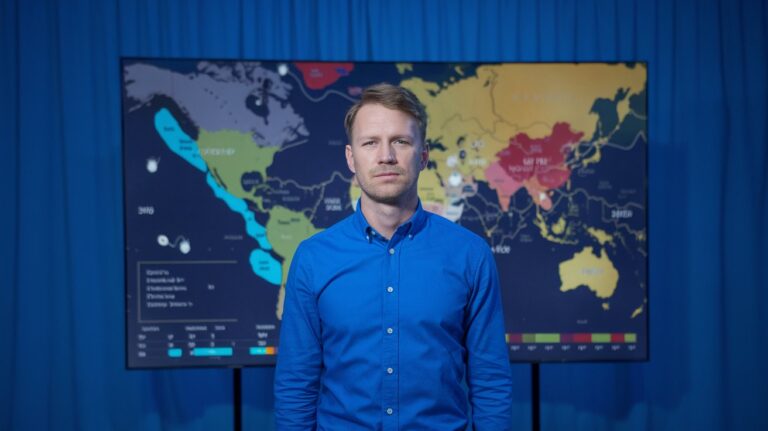
Atmospheric scientists perform diverse tasks that range from daily weather forecasting to long-term climate modeling. They analyze atmospheric data using sophisticated computer models, satellite imagery, and ground-based instruments to understand weather patterns and predict future conditions. These professionals spend significant time interpreting meteorological data, writing reports, and communicating findings to various audiences including government officials, emergency managers, and the general public.
The daily work involves collecting and analyzing atmospheric data from weather stations, radar systems, and atmospheric soundings. Scientists use mathematical models to process this information and create forecasts that help protect lives and property. They also conduct field research, calibrate instruments, and collaborate with other scientists to advance understanding of atmospheric processes and climate systems throughout the United States.
Weather Forecasting and Analysis
Weather forecasting represents one of the most visible roles for atmospheric scientists. These professionals use numerical weather prediction models, satellite data, and surface observations to create accurate forecasts for periods ranging from hours to several days ahead. They analyze atmospheric patterns, temperature gradients, and pressure systems to predict precipitation, wind speeds, and severe weather events that could impact communities across the country.
Climate Research and Modeling
Climate research involves studying long-term atmospheric trends and developing models to understand climate variability and change. Scientists examine historical weather data, ice core samples, and tree ring records to reconstruct past climate conditions. They use this information to improve climate models and assess the potential impacts of greenhouse gas emissions on regional and global climate patterns in the United States.
Educational Requirements and Career Path
Most atmospheric science careers require at least a bachelor’s degree in atmospheric science, meteorology, physics, or a related field. According to the Bureau of Labor Statistics, entry-level positions typically need coursework in calculus, physics, and computer programming. Many employers prefer candidates with master’s degrees, especially for research positions or specialized roles in climate modeling and severe weather prediction.
Advanced positions often require doctoral degrees in atmospheric science or related disciplines. Graduate programs emphasize research experience, statistical analysis, and advanced mathematical modeling techniques. Students typically complete internships with the National Weather Service, NOAA, or private weather companies to gain practical experience with forecasting tools and atmospheric data analysis systems used throughout the United States.
Employment Sectors and Work Environments
The majority of atmospheric scientists work for federal government agencies, with the National Weather Service and NOAA being the largest employers. These positions involve operational forecasting, climate monitoring, and research activities. Government scientists often work in weather forecast offices, research laboratories, or field stations where they monitor atmospheric conditions and issue weather warnings to protect public safety.
Private sector employment has grown significantly, with consulting firms, media companies, and energy companies hiring atmospheric scientists. These roles focus on specialized forecasting services, climate risk assessment, and environmental consulting. Academic institutions also employ atmospheric scientists as professors and researchers who conduct studies funded by government agencies and private organizations across the United States.
Government Positions
Federal government roles offer stable employment with opportunities to work on national-scale weather and climate issues. Scientists in these positions develop forecast models, conduct research on severe weather phenomena, and provide critical information during natural disasters. Government atmospheric scientists often specialize in areas like aviation weather, marine forecasting, or climate services that support various sectors of the economy.
Private Industry Opportunities
The private weather industry provides specialized services to agriculture, energy, transportation, and insurance sectors. Companies like AccuWeather, Weather Underground, and IBM Weather Company employ atmospheric scientists to develop customized forecasting products. These roles often offer higher salaries than government positions and focus on applying atmospheric science to solve specific business challenges and market needs.
Specialized Areas of Atmospheric Science
Atmospheric scientists can specialize in numerous subfields depending on their interests and career goals. Climatologists focus on long-term weather patterns and climate change research, while operational meteorologists emphasize short-term weather forecasting and severe weather prediction. Other specialists study air quality, atmospheric chemistry, or the interactions between the atmosphere and other Earth systems.
Emerging specializations include renewable energy forecasting, where scientists predict wind and solar conditions for energy companies. Environmental consulting represents another growing area, with atmospheric scientists assessing air pollution impacts and helping companies comply with environmental regulations. These specialized roles often require additional training and certification beyond traditional atmospheric science education.
Severe Weather Specialists
Severe weather meteorologists focus on predicting and analyzing dangerous weather phenomena like tornadoes, hurricanes, and severe thunderstorms. These specialists work closely with emergency management agencies to issue warnings and help communities prepare for potentially life-threatening weather events. They use advanced radar technology and storm-scale models to track severe weather systems across the United States.
Air Quality Scientists
Air quality specialists study atmospheric pollution and its effects on human health and the environment. They monitor pollutant concentrations, model air quality conditions, and work with regulatory agencies to develop strategies for improving air quality. These scientists often collaborate with public health officials and environmental agencies to assess the impacts of industrial emissions and transportation on regional air quality.
Technology and Tools Used Daily
Modern atmospheric science relies heavily on advanced technology and computational tools. Scientists use numerical weather prediction models running on supercomputers to process vast amounts of atmospheric data. Satellite imagery, Doppler radar, and automated weather stations provide real-time information about atmospheric conditions. These tools require specialized training and continuous updates as technology advances.
Data analysis software like MATLAB, Python, and R are essential for processing meteorological datasets and creating visualizations. Geographic Information Systems (GIS) help scientists analyze spatial patterns in weather and climate data. Remote sensing technology allows atmospheric scientists to monitor atmospheric conditions from space and study phenomena that would be impossible to observe from the ground across the diverse geography of the United States.
Salary Expectations and Job Outlook
According to the Bureau of Labor Statistics, the median annual salary for atmospheric scientists in the United States was $99,740 in 2024. Entry-level positions typically start around $60,000-70,000 annually, while experienced scientists in senior roles or specialized positions can earn $150,000 or more. Government positions often provide excellent benefits packages including health insurance, retirement plans, and job security.
The job outlook for atmospheric science careers remains positive, with employment projected to grow 6% from 2024 to 2034, which is faster than average for all occupations. Increasing concerns about climate change, severe weather impacts, and air quality drive demand for qualified atmospheric scientists. The growing renewable energy sector and expansion of private weather services create additional opportunities for atmospheric science professionals.
Regional Salary Variations
Salary ranges vary significantly by geographic location and employer type. Atmospheric scientists working in metropolitan areas like Washington D.C., San Francisco, and New York typically earn higher salaries due to cost of living adjustments. Federal government positions offer standardized pay scales, while private companies may offer performance-based bonuses and stock options that can significantly increase total compensation.
Career Advancement Opportunities
Career progression in atmospheric science often involves moving into supervisory roles, specialized research positions, or management positions within government agencies or private companies. Senior scientists may lead research teams, manage large-scale projects, or become subject matter experts in specific areas like hurricane forecasting or climate modeling. Many professionals also pursue additional certifications from the American Meteorological Society to enhance their credentials.
Skills and Qualities for Success
Successful atmospheric scientists need strong analytical and mathematical skills to interpret complex data and develop accurate forecasts. Computer programming abilities are essential for working with numerical models and processing large datasets. Communication skills are equally important, as scientists must explain technical concepts to non-experts and write clear reports for various audiences including emergency managers and policy makers.
Problem-solving abilities help atmospheric scientists troubleshoot equipment issues, interpret unusual weather patterns, and develop new approaches to forecasting challenges. Attention to detail is critical when analyzing data and creating forecasts that could impact public safety. Scientists must also stay current with advancing technology and scientific methods through continuing education and professional development throughout their careers.
Related video about what do atmospheric scientists do
This video complements the article information with a practical visual demonstration.
What you should know
What degree do you need to become an atmospheric scientist?
Most atmospheric scientists need at least a bachelor’s degree in atmospheric science, meteorology, physics, or related field. Entry-level government positions typically require a bachelor’s degree with coursework in calculus, physics, and computer programming. Research positions and advanced roles often prefer or require master’s or doctoral degrees in atmospheric science or related disciplines.
How much do atmospheric scientists make per year?
According to the Bureau of Labor Statistics, atmospheric scientists earned a median annual salary of $99,740 in 2024. Entry-level positions typically start around $60,000-70,000 annually, while experienced scientists in specialized roles can earn $150,000 or more. Government positions offer additional benefits like health insurance and retirement plans.
What is the difference between a meteorologist and an atmospheric scientist?
Meteorology is a specialized branch of atmospheric science focused on weather forecasting and short-term atmospheric phenomena. Atmospheric scientists study the broader field including climate research, air quality, and atmospheric chemistry. All meteorologists are atmospheric scientists, but not all atmospheric scientists are meteorologists, as the field encompasses many specializations beyond weather forecasting.
Where do most atmospheric scientists work?
The majority of atmospheric scientists work for federal government agencies like the National Weather Service and NOAA. Private weather companies, consulting firms, media organizations, and universities also employ significant numbers of atmospheric scientists. The energy sector, particularly renewable energy companies, represents a growing employment opportunity for atmospheric science professionals.
Is atmospheric science a good career choice?
Atmospheric science offers excellent career prospects with job growth projected at 6% from 2024-2034, faster than average for all occupations. The field provides opportunities to contribute to public safety, environmental protection, and climate research. Salaries are competitive, and the work combines scientific research with practical applications that directly benefit society.
What tools and technology do atmospheric scientists use?
Atmospheric scientists use advanced technology including numerical weather prediction models, Doppler radar systems, satellite imagery, and automated weather stations. They work with data analysis software like MATLAB, Python, and R, plus Geographic Information Systems (GIS) for spatial analysis. Supercomputers process vast amounts of atmospheric data to create forecasts and conduct climate research.
| Career Aspect | Key Requirements | Career Benefits |
|---|---|---|
| Education | Bachelor’s degree minimum, Master’s preferred | Strong job security and advancement |
| Salary Range | $60,000-$150,000+ annually | Above-average earning potential |
| Work Environment | Government agencies, private companies | Diverse career opportunities |
| Job Growth | 6% projected growth 2024-2034 | Better than average job prospects |