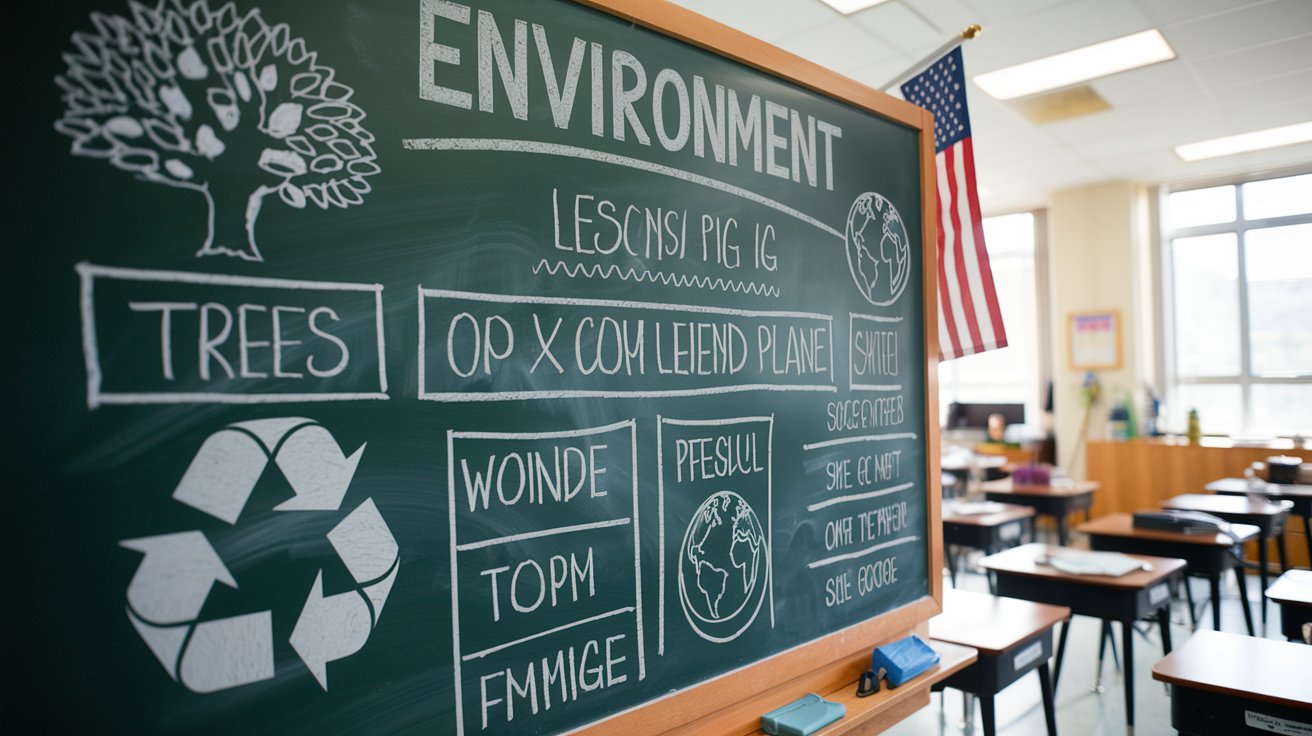
Complete Lesson Plan on Environment for K-12 Teachers 2025
Creating an effective lesson plan on environment requires structured activities that engage students while covering essential ecological concepts. This comprehensive guide provides educators with ready-to-use environmental lesson plans that align with current educational standards and incorporate hands-on learning experiences. These proven teaching strategies help students understand climate change, conservation, and sustainability through interactive methods that make environmental science accessible and memorable for all grade levels.
Essential Components of Environmental Lesson Plans
A well-structured environment lesson plan must include clear learning objectives, age-appropriate activities, and measurable assessment tools. The foundation begins with identifying specific environmental concepts students should master, such as ecosystem interactions, pollution effects, or renewable energy sources. Teachers need to incorporate multiple learning modalities to accommodate different student learning styles and ensure maximum comprehension.
The most effective environmental education activities combine theoretical knowledge with practical applications. Students learn best when they can observe, experiment, and directly interact with environmental concepts. This approach transforms abstract environmental science topics into tangible learning experiences that students can relate to their daily lives and local community challenges.
Learning Objectives and Standards Alignment
Modern environmental lesson plans must align with Next Generation Science Standards (NGSS) and state-specific educational requirements. Teachers should focus on developing critical thinking skills while covering essential topics like biodiversity, pollution prevention, and climate science. Clear objectives help students understand expectations and provide teachers with measurable outcomes for assessment purposes.
Age-Appropriate Content Strategies
Elementary students respond well to environmental activities that involve storytelling, games, and simple experiments. Middle school lessons should incorporate more complex scientific concepts with hands-on investigations. High school environmental education requires critical analysis of current environmental issues, research projects, and connection to career pathways in environmental science and sustainability fields.
Interactive Environmental Activities for Classroom Engagement
Successful environment lesson plans incorporate diverse activities that maintain student interest while reinforcing learning objectives. Interactive demonstrations, group projects, and outdoor exploration opportunities create memorable educational experiences. These activities should connect classroom learning to real-world environmental challenges that students encounter in their communities and daily lives.
Technology integration enhances environmental education through virtual field trips, data collection apps, and online collaboration tools. Students can track local weather patterns, analyze pollution data, or connect with environmental scientists worldwide. These digital resources expand classroom boundaries and provide access to current environmental research and global perspectives on sustainability issues.
Hands-On Science Experiments
Environmental science experiments should be safe, engaging, and directly related to lesson objectives. Simple activities like testing water quality, creating compost systems, or measuring energy consumption help students understand environmental concepts through direct observation. These experiments develop scientific methodology skills while reinforcing environmental principles through practical application.
Outdoor Learning Opportunities
Taking environmental lessons outdoors provides authentic learning experiences that textbooks cannot replicate. School gardens, nature walks, and ecosystem observation activities connect students directly with environmental concepts. Even urban schools can utilize nearby parks, green spaces, or school grounds to provide meaningful outdoor environmental education experiences that enhance classroom instruction.
Climate Change Education in Elementary and Secondary Schools
Teaching about climate change requires sensitive, age-appropriate approaches that present scientific facts without overwhelming students. Effective climate change lesson plans focus on solutions, local impacts, and positive actions students can take. Teachers should emphasize hope and empowerment rather than fear when discussing environmental challenges with young learners.
Current climate education standards require students to understand greenhouse gas effects, renewable energy options, and conservation strategies. Environmental lesson plans should include data analysis activities using real climate data from NOAA and NASA. Students can track temperature trends, precipitation changes, and seasonal shifts in their local region to understand climate science concepts through concrete examples.
Understanding Greenhouse Gas Effects
Students need clear explanations of how greenhouse gases trap heat in Earth’s atmosphere. Simple demonstrations using clear containers, heat lamps, and thermometers help visualize this invisible process. Teachers should connect these concepts to everyday activities like transportation choices, energy consumption, and food production to make climate science personally relevant for students.
Renewable Energy Solutions
Renewable energy activities engage students through building solar ovens, creating wind turbines, or constructing hydroelectric generators. These projects demonstrate sustainable alternatives to fossil fuels while developing engineering design skills. Students learn that environmental challenges have innovative solutions that require creativity, collaboration, and scientific understanding.
Ecosystem and Biodiversity Teaching Strategies
Understanding ecosystems and biodiversity forms the foundation of environmental education. Students must grasp interconnections between living organisms and their physical environment. Effective teaching strategies include food web activities, habitat simulation games, and species identification exercises that demonstrate ecosystem complexity and interdependence.
Biodiversity lesson plans should highlight local species while connecting to global conservation efforts. Students can conduct biodiversity surveys of school grounds, create species inventories, or research endangered species in their region. These activities develop observation skills while emphasizing the importance of protecting natural habitats and maintaining ecological balance.
Pollution Prevention and Environmental Health
Teaching about pollution requires comprehensive environmental health lesson plans that address air quality, water contamination, and soil degradation. Students need to understand pollution sources, health impacts, and prevention strategies. These lessons should connect environmental quality to human health and community well-being to make the content personally meaningful.
Practical pollution prevention activities include waste audits, recycling programs, and clean-up projects. Students can analyze household waste, calculate carbon footprints, or design solutions for reducing single-use plastics. These hands-on experiences develop environmental responsibility while teaching measurement, data analysis, and problem-solving skills essential for scientific literacy.
Water Quality Testing and Conservation
Water quality activities provide excellent opportunities for scientific investigation and environmental awareness. Students can test pH levels, dissolved oxygen, and pollutant concentrations in local water sources. These experiments teach chemistry concepts while highlighting the importance of clean water for human health and ecosystem function.
Air Quality Monitoring Projects
Air quality lesson plans should include monitoring local air conditions using simple measurement tools or online resources. Students can track particulate matter, ozone levels, and visibility measurements to understand air pollution patterns. These data collection activities develop scientific skills while raising awareness about respiratory health and environmental quality connections.
Sustainability Education and Green School Initiatives
Sustainability education prepares students to make informed decisions about resource consumption and environmental stewardship. Effective lesson plans cover topics like energy efficiency, sustainable agriculture, and circular economy principles. Students should understand that sustainability involves balancing economic, social, and environmental considerations for long-term prosperity.
Implementing green school initiatives provides authentic learning opportunities while improving school environmental performance. Students can lead energy conservation campaigns, establish recycling programs, or create school gardens. These projects develop leadership skills while demonstrating that individual and collective actions can create positive environmental change.
Assessment Methods for Environmental Education
Effective assessment in environmental education requires diverse evaluation methods that measure knowledge, skills, and attitudes. Traditional tests should be supplemented with project-based assessments, portfolio development, and peer evaluations. These varied approaches accommodate different learning styles while providing comprehensive information about student understanding and engagement.
Environmental project assessments should evaluate both scientific accuracy and creative problem-solving abilities. Rubrics should address research quality, presentation skills, and practical application of environmental concepts. Students can demonstrate learning through research presentations, design challenges, or community action projects that showcase their environmental knowledge and commitment to sustainability.
Formative Assessment Strategies
Formative assessments in environmental education include observation checklists, exit tickets, and quick polls about student understanding. Teachers can use concept mapping activities, journal reflections, or peer discussions to gauge student comprehension throughout lessons. These ongoing assessments help teachers adjust instruction to meet student needs and ensure learning objectives are achieved.
Performance-Based Evaluation
Performance-based assessments allow students to demonstrate environmental knowledge through practical applications. Science fair projects, environmental advocacy presentations, or conservation program proposals showcase student learning while developing communication and critical thinking skills. These authentic assessments prepare students for real-world environmental challenges and career opportunities.
Technology Integration in Environmental Lessons
Modern environmental lesson plans should incorporate educational technology to enhance learning experiences and connect students to current environmental data. Digital tools provide access to real-time environmental monitoring, virtual field trips, and collaborative research opportunities. Technology integration should support learning objectives rather than serve as mere entertainment or distraction.
Recommended environmental education technology includes data visualization software, environmental monitoring apps, and virtual laboratory simulations. Students can analyze satellite imagery to track deforestation, use weather apps to collect climate data, or participate in citizen science projects that contribute to actual environmental research. These digital experiences expand classroom boundaries while developing technological literacy skills.
Community Partnerships and Field Trip Opportunities
Building partnerships with local environmental organizations enhances environmental education programs through expert guest speakers, field trip destinations, and authentic learning experiences. Community connections provide students with career exposure while demonstrating real-world applications of classroom learning. These partnerships often lead to ongoing collaboration and student engagement opportunities.
Successful environmental field trips require careful planning to align with curriculum objectives and ensure student safety. Popular destinations include nature centers, recycling facilities, renewable energy installations, and protected natural areas. Teachers should prepare students with background knowledge, specific observation tasks, and follow-up activities that reinforce field trip learning experiences.
Related video about lesson plan on environment
This video complements the article information with a practical visual demonstration.
Most asked questions about lesson plan on environment
How long should an environmental lesson plan be for different grade levels?
Elementary environmental lessons typically run 30-45 minutes with hands-on activities. Middle school lessons should be 50-60 minutes to allow for experiments and discussions. High school environmental lessons can extend 90 minutes for in-depth investigations and project work. Plan activities that match student attention spans and developmental needs.
What materials do I need for basic environmental education activities?
Essential materials include measuring tools like thermometers and pH strips, recyclable containers for experiments, magnifying glasses for nature observation, and basic art supplies for documentation. Many environmental activities use common classroom supplies and natural materials collected outdoors. Digital cameras or tablets help document findings and create presentations.
How can I teach environmental concepts without access to outdoor spaces?
Indoor environmental education utilizes window gardens, terrarium ecosystems, and virtual field trips. Simulation activities and role-playing games effectively teach ecological concepts. Online resources provide access to environmental data and live nature cameras. Even small outdoor spaces like courtyards or nearby sidewalks offer opportunities for environmental observation and data collection.
Which environmental topics are most appropriate for elementary students?
Elementary students learn best with concrete environmental topics like recycling, animal habitats, weather patterns, and plant life cycles. Focus on local environmental issues and positive conservation actions. Avoid overwhelming topics like climate change disasters. Instead, emphasize how students can help the environment through daily choices and simple conservation practices.
How do I assess student learning in environmental education?
Use diverse assessment methods including observation checklists for outdoor activities, project portfolios, and peer evaluations. Environmental education assessment should measure knowledge application, not just memorization. Include self-reflection activities where students describe what they learned and how they might apply environmental concepts in their daily lives.
What are the most engaging environmental activities for middle school students?
Middle school students enjoy environmental problem-solving challenges, designing solutions for local issues, and conducting scientific investigations. Popular activities include building renewable energy models, conducting waste audits, and creating environmental advocacy presentations. These age-appropriate activities develop critical thinking while connecting environmental science to real-world applications and potential career paths.
| Key Component | Implementation Strategy | Student Benefit |
|---|---|---|
| Hands-on Activities | Interactive experiments and outdoor exploration | Enhanced understanding through direct experience |
| Technology Integration | Environmental apps and virtual field trips | Access to current data and global perspectives |
| Community Partnerships | Guest speakers and local field trips | Real-world connections and career exposure |
| Project-Based Learning | Student-designed environmental solutions | Critical thinking and problem-solving skills |