Environmental Inspector Jobs: Career Guide & Salaries 2025
Environmental inspector jobs represent a critical career path in protecting public health and natural resources across the United States. These professionals ensure compliance with environmental regulations and investigate potential violations, with the Bureau of Labor Statistics projecting 8% job growth through 2032. This comprehensive guide covers salary expectations, educational requirements, and career advancement opportunities for aspiring environmental inspectors.
What Do Environmental Inspectors Do
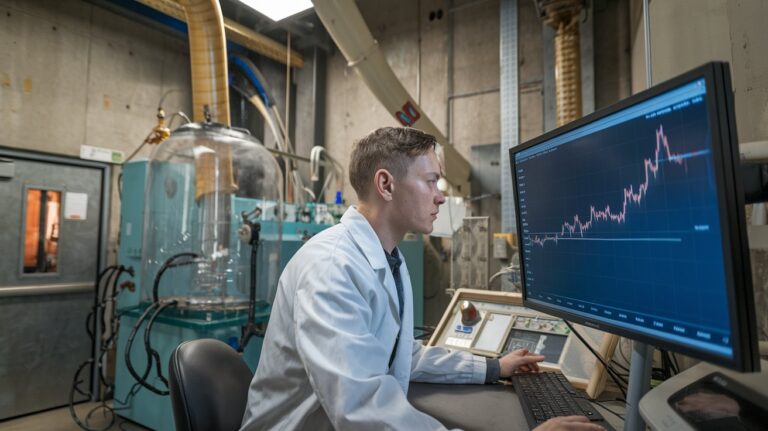
Environmental inspectors serve as frontline guardians of environmental compliance, conducting thorough investigations of facilities, construction sites, and industrial operations. They examine air quality monitoring systems, water treatment facilities, and waste disposal practices to ensure adherence to federal and state regulations. These professionals collect samples, document violations, and work with facility managers to develop corrective action plans.
The daily responsibilities of environmental compliance inspectors include reviewing permits, conducting site visits, and preparing detailed reports for regulatory agencies. They must stay current with evolving environmental laws, including Clean Air Act requirements and Safe Drinking Water Act provisions. Many inspectors specialize in specific areas such as hazardous waste management, air quality monitoring, or water pollution control.
Federal Environmental Inspector Roles
Federal environmental inspector positions with agencies like the Environmental Protection Agency (EPA) and Department of Interior offer comprehensive benefits and job security. These roles involve enforcing national environmental standards, conducting interstate investigations, and coordinating with state agencies. Federal inspectors typically handle more complex cases involving multiple jurisdictions and major environmental violations.
State and Local Inspector Positions
State environmental agencies and local health departments employ environmental health inspectors to monitor compliance at the community level. These positions focus on local facilities, restaurants, swimming pools, and residential environmental concerns. State inspectors often work closely with businesses to achieve compliance while maintaining public health protection standards.
Environmental Inspector Salary and Benefits
The median annual salary for environmental inspector jobs ranges from $52,000 to $89,000 in 2025, with significant variation based on location, experience, and specialization. Federal positions typically offer higher compensation, with GS-11 to GS-13 levels earning $55,000 to $95,000 annually plus comprehensive benefits packages including health insurance, retirement contributions, and paid time off.
State and local environmental compliance inspector salaries vary considerably by region, with California, New York, and Texas offering the highest compensation packages. Entry-level positions start around $42,000, while senior inspectors with specialized certifications can earn over $100,000. Additional compensation often includes vehicle allowances, overtime pay, and professional development funding.
Educational Requirements and Certifications
Most environmental inspector jobs require a bachelor’s degree in environmental science, biology, chemistry, or related field. Some positions accept equivalent experience combined with associate degrees or professional certifications. Key coursework includes environmental law, chemistry, biology, and statistics. Many employers prefer candidates with field experience through internships or entry-level environmental positions.
Professional certifications enhance career prospects and earning potential for environmental inspectors. The National Environmental Health Association offers Registered Environmental Health Specialist (REHS) credentials, while the Institute of Professional Environmental Practice provides Qualified Environmental Professional (QEP) certification. These credentials demonstrate expertise and commitment to professional standards.
Specialized Training Programs
Many states require completion of specialized training programs for environmental health inspector positions. These programs cover regulatory frameworks, inspection techniques, and report writing. The EPA offers training courses on specific regulations, while professional organizations provide continuing education opportunities to maintain certifications and stay current with evolving requirements.
Required Skills and Competencies
Successful environmental inspectors must possess strong analytical skills, attention to detail, and excellent communication abilities. They need proficiency in data collection, report writing, and regulatory interpretation. Physical requirements include ability to work outdoors in various weather conditions, climb structures, and wear protective equipment. Computer skills for database management and report preparation are essential.
Job Market and Career Opportunities
The job market for environmental inspector positions remains robust with projected 8% growth through 2032, faster than average for all occupations. Increasing environmental awareness, stricter regulations, and aging infrastructure drive demand for qualified inspectors. Climate change concerns and renewable energy development create new inspection opportunities in emerging environmental sectors.
Career advancement paths for environmental compliance inspectors include supervisory roles, specialized technical positions, and regulatory policy development. Many inspectors transition to private consulting, compliance management, or environmental project management roles. Geographic mobility enhances opportunities, as environmental challenges vary significantly across different regions and industries.
Application Process and Job Search Strategies
Landing environmental inspector jobs requires strategic application approaches and thorough preparation. Federal positions use USAJobs.gov with specific application deadlines and detailed documentation requirements. State and local positions often have their own application systems and may require civil service examinations or competitive testing processes.
Networking within environmental professional organizations enhances job search success for environmental inspector careers. Attending conferences, joining local environmental groups, and maintaining relationships with current inspectors provide valuable insider information about upcoming opportunities. Many positions are filled through internal promotions or professional referrals rather than public advertisements.
Resume and Interview Preparation
Effective resumes for environmental inspector positions emphasize relevant education, field experience, and technical skills. Highlighting specific environmental regulations knowledge, inspection software proficiency, and safety training demonstrates qualification. Quantifying achievements, such as number of inspections completed or compliance rates achieved, strengthens applications significantly.
Professional Development Resources
Ongoing professional development maintains competitiveness in environmental inspector jobs market. Professional associations offer training workshops, certification programs, and networking opportunities. Subscribing to environmental trade publications, attending webinars, and participating in continuing education programs demonstrates commitment to professional growth and regulatory knowledge updates.
Work Environment and Job Conditions
Environmental inspectors work in diverse settings including industrial facilities, construction sites, laboratories, and office environments. Field work comprises approximately 60-70% of time, requiring travel within assigned territories. Weather conditions, hazardous materials exposure, and physical demands necessitate proper safety training and protective equipment usage.
Work schedules for environmental compliance inspectors typically follow standard business hours, though emergency responses and complaint investigations may require evening or weekend work. Some positions involve extensive travel, while others focus on local facility monitoring. Remote work opportunities exist for report writing and administrative tasks, though field inspection remains the core responsibility.
Industry Specializations and Niches
Specialization opportunities in environmental inspector jobs include air quality monitoring, water pollution control, hazardous waste management, and occupational safety compliance. Each specialization requires specific technical knowledge and may involve different certification requirements. Air quality inspectors focus on emissions monitoring and industrial pollution control, while water specialists examine treatment facilities and discharge permits.
Emerging specializations for environmental inspectors include renewable energy facility compliance, environmental justice investigations, and climate change adaptation monitoring. These growing fields offer career advancement opportunities and often command premium salaries due to specialized expertise requirements.
Related video about environmental inspector jobs
This video complements the article information with a practical visual demonstration.
Everything you need to know about environmental inspector jobs
What is the average salary for environmental inspector jobs?
Environmental inspector salaries range from $52,000 to $89,000 annually, with federal positions typically offering higher compensation. Entry-level positions start around $42,000, while experienced inspectors with specialized certifications can earn over $100,000. Location, experience level, and specialization significantly impact salary levels.
Do I need a college degree for environmental inspector positions?
Most environmental inspector jobs require a bachelor’s degree in environmental science, biology, chemistry, or related field. Some positions accept equivalent experience with associate degrees or professional certifications. Specialized training programs and professional certifications enhance qualification and career advancement opportunities.
What are the main responsibilities of environmental inspectors?
Environmental inspectors conduct facility inspections, collect samples, review permits, and ensure compliance with environmental regulations. They document violations, prepare detailed reports, and work with businesses to develop corrective action plans. Responsibilities vary based on specialization areas and regulatory focus.
Is the job market growing for environmental inspectors?
Yes, the Bureau of Labor Statistics projects 8% job growth for environmental inspectors through 2032, faster than average for all occupations. Increasing environmental regulations, climate change concerns, and aging infrastructure drive demand for qualified environmental compliance professionals.
What certifications help with environmental inspector careers?
Key certifications include Registered Environmental Health Specialist (REHS) from the National Environmental Health Association and Qualified Environmental Professional (QEP) from the Institute of Professional Environmental Practice. State-specific certifications and EPA training programs also enhance career prospects and earning potential.
| Career Aspect | Key Details | Benefits |
|---|---|---|
| Salary Range | $52,000-$89,000 annually | Competitive compensation with growth potential |
| Job Growth | 8% through 2032 | Strong employment security and opportunities |
| Education Required | Bachelor’s degree preferred | Multiple entry paths available |
| Work Environment | 60-70% field work | Diverse, engaging work settings |