Geography Vocabulary Words: Complete Guide for Students 2025
Understanding geography vocabulary words is fundamental for students studying earth sciences, social studies, and preparing for standardized tests. This comprehensive guide covers essential geographic terms, their definitions, and practical applications to help you master the language of geography in 2025.
Essential Physical Geography Vocabulary
Physical geography vocabulary encompasses terms that describe Earth’s natural features and processes. These foundational words include landforms, water bodies, climate patterns, and geological formations that shape our planet. Mastering these terms is crucial for understanding how natural systems interact and influence human activities across different regions.
Key physical geography terms form the backbone of geographic literacy. Students encounter these geography vocabulary words in textbooks, exams, and real-world applications. From mountains and valleys to rivers and oceans, each term carries specific meanings that help us communicate precisely about Earth’s diverse landscapes and natural phenomena.
Landform Vocabulary Terms
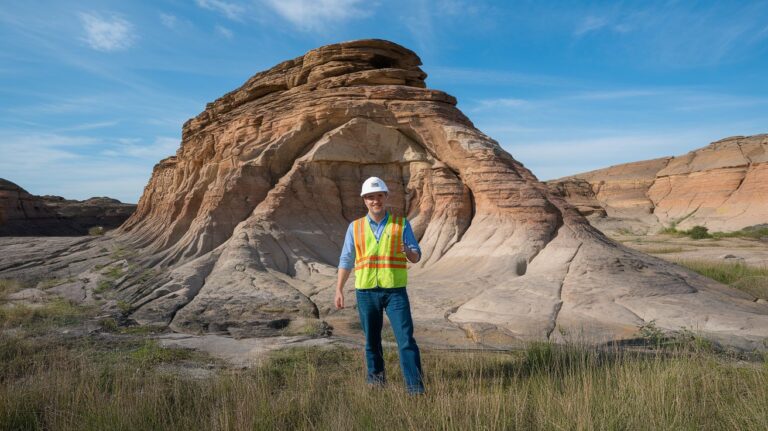
Landform vocabulary includes essential terms like plateau, peninsula, archipelago, mesa, and canyon. A plateau represents a flat elevated area, while a peninsula extends into water surrounded on three sides by water. An archipelago consists of a chain of islands, and a mesa is a flat-topped hill with steep sides. These geographic terms help students identify and describe Earth’s varied topographical features accurately.
Water Feature Geography Words
Water-related geography vocabulary words include tributary, estuary, delta, strait, and fjord. A tributary flows into a larger river, while an estuary is where rivers meet the sea. Deltas form where rivers deposit sediment at their mouths, straits are narrow water passages between landmasses, and fjords are deep inlets carved by glaciers. Understanding these terms enhances comprehension of hydrological processes and coastal formations.
Human Geography Vocabulary Essentials
Human geography vocabulary focuses on terms describing human activities, settlements, and their relationship with the environment. These words include urbanization, migration, population density, infrastructure, and cultural landscape. Students studying social geography must understand how humans modify environments and create distinct cultural regions through various activities and settlement patterns.
Contemporary geography vocabulary words in human geography reflect modern challenges like sustainable development, globalization, and demographic transition. Terms such as megacity, gentrification, and urban sprawl describe current urban phenomena, while concepts like carrying capacity and ecological footprint address environmental concerns in human settlements.
Settlement and Urban Geography Terms
Settlement geography vocabulary includes terms like metropolis, suburb, rural area, and central business district. A metropolis is a large urban area including surrounding communities, suburbs are residential areas outside city centers, rural areas have low population density with agricultural focus, and central business districts contain commercial and office buildings. These terms help describe different types of human settlements and their characteristics.
Population and Migration Vocabulary
Population-related geography vocabulary words encompass terms like birth rate, death rate, natural increase, emigration, and immigration. Birth rate measures births per thousand people annually, death rate tracks deaths similarly, natural increase is the difference between birth and death rates, emigration refers to leaving one’s country, and immigration means entering a new country. These demographic terms are essential for understanding population dynamics and movement patterns.
Climate and Weather Geography Terms
Climate geography vocabulary encompasses terms describing atmospheric conditions, weather patterns, and climatic regions. Essential words include precipitation, humidity, barometric pressure, climate zone, and weather front. These terms help students understand meteorological processes, seasonal variations, and long-term climate patterns that influence ecosystems and human activities worldwide.
Advanced geography vocabulary words in climatology include concepts like microclimate, monsoon, trade winds, and greenhouse effect. Microclimate refers to local atmospheric conditions, monsoons are seasonal wind patterns bringing heavy rains, trade winds are consistent tropical winds, and the greenhouse effect describes atmospheric warming from trapped gases. These terms are increasingly important for understanding climate change and environmental science.
Weather Pattern Vocabulary
Weather-related geography vocabulary includes terms like cyclone, anticyclone, isobar, and precipitation. Cyclones are low-pressure systems with rotating winds, anticyclones are high-pressure systems with descending air, isobars are lines connecting areas of equal atmospheric pressure, and precipitation encompasses all forms of water falling from the atmosphere. Understanding these terms helps students interpret weather maps and forecast patterns.
Climate Classification Terms
Climate classification geography vocabulary words include terms like tropical, temperate, arid, and polar climate zones. Tropical climates feature warm temperatures year-round with significant rainfall, temperate climates have moderate temperatures with seasonal variations, arid climates are characterized by low precipitation, and polar climates experience extremely cold temperatures. These classifications help organize Earth’s diverse climate regions systematically.
Geographic Tools and Map Reading Vocabulary
Geographic tools vocabulary includes essential terms for map reading and spatial analysis. Key words include scale, legend, compass rose, contour lines, and latitude. Scale shows the relationship between map distance and actual distance, legends explain map symbols, compass roses indicate directions, contour lines show elevation changes, and latitude measures distance north or south of the equator. These terms are fundamental for geographic literacy and spatial reasoning.
Modern geography vocabulary words for mapping technology include GPS, GIS, remote sensing, and satellite imagery. GPS provides precise location coordinates, GIS analyzes geographic data digitally, remote sensing gathers information from distant locations, and satellite imagery captures Earth’s surface from space. These technological terms reflect contemporary geographic practices and digital mapping capabilities essential for 21st-century students.
Map Elements and Symbols
Map reading geography vocabulary encompasses terms like coordinates, grid system, topographic map, and political map. Coordinates provide precise location using latitude and longitude, grid systems organize space into reference sections, topographic maps show elevation and terrain features, and political maps display governmental boundaries and territories. Mastering these terms enables students to read and interpret various map types effectively.
Spatial Analysis Terms
Spatial analysis geography vocabulary words include terms like proximity, distribution, pattern, and spatial relationship. Proximity refers to nearness between locations, distribution describes how features spread across space, pattern identifies regular arrangements or random distributions, and spatial relationships examine connections between geographic phenomena. These analytical terms help students think critically about geographic data and spatial arrangements.
Economic Geography Vocabulary
Economic geography vocabulary focuses on terms describing production, trade, and economic activities across different regions. Important words include primary sector, secondary sector, tertiary sector, gross domestic product, and comparative advantage. The primary sector involves raw material extraction, secondary sector includes manufacturing, tertiary sector encompasses services, GDP measures total economic output, and comparative advantage explains trade specialization patterns.
Contemporary geography vocabulary words in economic geography address globalization, supply chains, and economic development. Terms like outsourcing, fair trade, economic integration, and sustainable development reflect modern economic realities. Outsourcing moves production to lower-cost locations, fair trade ensures equitable compensation, economic integration creates larger markets, and sustainable development balances economic growth with environmental protection.
Regional Geography Vocabulary by Continent
Regional geography vocabulary varies by continent and includes specific terms for unique features and phenomena. North American terms include prairie, Great Lakes, and continental divide, while European vocabulary features fjords, Mediterranean climate, and Alpine region. Understanding regional geography vocabulary words helps students appreciate distinct characteristics and cultural landscapes of different world regions.
Each continent contributes unique geographic terms reflecting local environments and cultural practices. Asian geography includes monsoon, steppes, and archipelago, African terms encompass savanna, rift valley, and desert, while South American vocabulary features pampas, Amazon basin, and Andes mountains. These regional terms enrich geographic understanding and cultural awareness.
Study Strategies for Geography Vocabulary Mastery
Effective strategies for learning geography vocabulary words include creating flashcards, using mnemonic devices, and practicing with real-world examples. Flashcards help memorize definitions, mnemonic devices create memorable associations, and real examples connect abstract terms to concrete locations. Regular review and active application reinforce learning and improve retention of geographic terminology.
Digital tools enhance geography vocabulary learning through interactive maps, online quizzes, and multimedia resources. Educational apps provide engaging practice opportunities, virtual field trips demonstrate concepts visually, and online atlases offer comprehensive geographic information. Combining traditional study methods with digital resources creates comprehensive learning experiences for mastering geographic terminology in 2025.
Related video about geography vocabulary words
This video complements the article information with a practical visual demonstration.
FAQ – Common Questions
What are the most important geography vocabulary words for students?
The most essential geography vocabulary words include latitude, longitude, climate, population density, urbanization, migration, landform, ecosystem, and sustainability. These fundamental terms appear frequently in textbooks, standardized tests, and geographic discussions. Students should master these core concepts before advancing to more specialized terminology in physical or human geography.
How many geography vocabulary words should students learn each grade level?
Elementary students typically learn 20-30 basic geography vocabulary words annually, middle school students master 50-75 terms per year, and high school students encounter 100-150 advanced geographic terms yearly. The progression builds from simple concepts like continent and ocean to complex terms like demographic transition and sustainable development, ensuring age-appropriate learning.
What’s the difference between physical and human geography vocabulary?
Physical geography vocabulary describes natural features and processes like mountains, rivers, climate, and ecosystems, focusing on Earth’s natural systems. Human geography vocabulary covers human activities and their spatial patterns, including terms like urbanization, migration, culture, and economic systems. Both categories are essential for comprehensive geographic understanding.
How can students remember complex geography vocabulary words effectively?
Students can remember geography vocabulary through visual associations, connecting terms to familiar places, creating acronyms, and using the words in sentences. Practice with maps, real-world examples, and regular review sessions strengthen memory retention. Interactive learning tools and geographic games also make vocabulary acquisition more engaging and memorable.
Which geography vocabulary words appear most on standardized tests?
Standardized tests frequently feature vocabulary like latitude, longitude, climate zones, population density, migration patterns, natural resources, landforms, and cultural regions. Terms related to map reading, spatial relationships, and human-environment interaction also appear regularly. Students should prioritize these high-frequency terms while preparing for geography assessments.
How has geography vocabulary evolved with modern technology and global changes?
Modern geography vocabulary includes technology terms like GPS, GIS, remote sensing, and satellite imagery. Global changes have introduced concepts like climate change, sustainable development, globalization, and digital divide. Environmental concerns brought terms like carbon footprint, renewable energy, and ecological restoration into geographic discussions, reflecting contemporary issues and technological advances.
| Vocabulary Category | Key Terms Count | Learning Benefit |
|---|---|---|
| Physical Geography | 40-60 essential terms | Understanding natural processes and landforms |
| Human Geography | 50-70 core concepts | Analyzing human-environment interactions |
| Climate and Weather | 30-45 meteorological terms | Interpreting weather patterns and climate zones |
| Map Reading Tools | 25-35 technical terms | Developing spatial literacy and navigation skills |