What Scientists Study Weather: Meteorology Careers & Jobs 2025
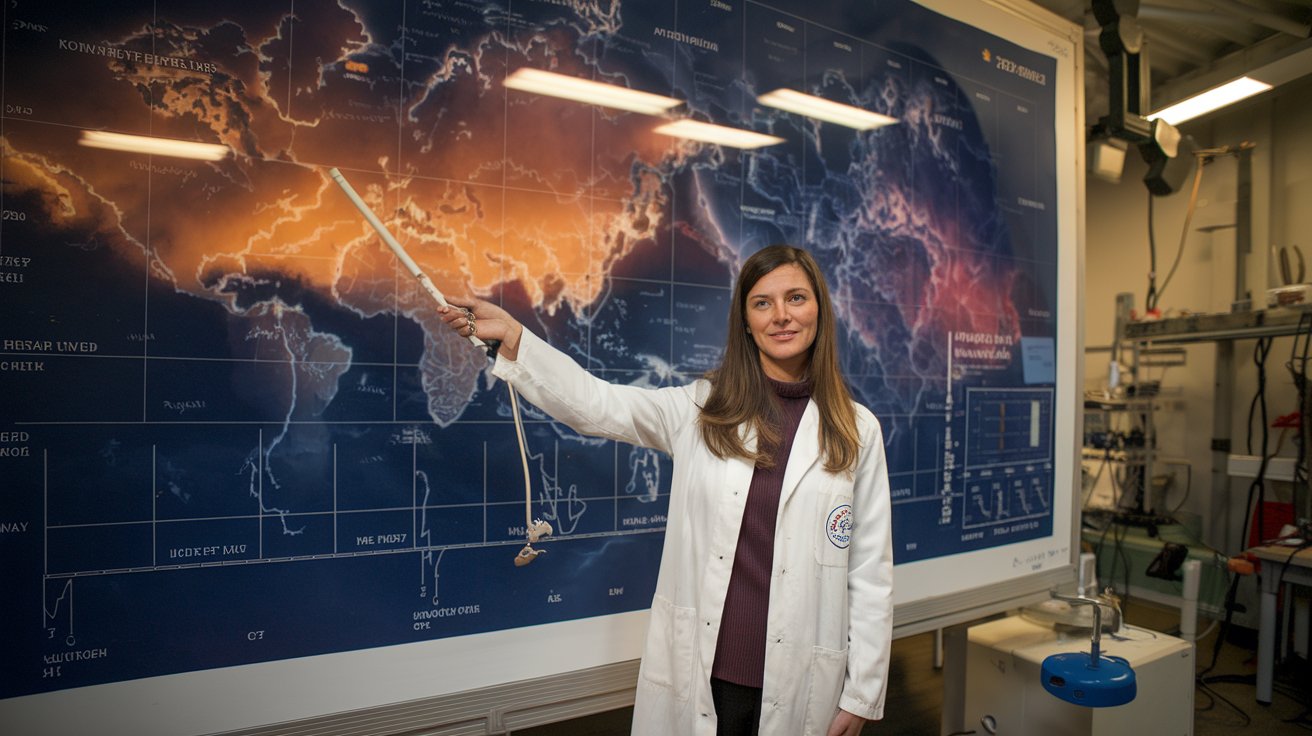
Scientists who study weather are called meteorologists, and they play a crucial role in understanding atmospheric patterns that affect daily life across America. These specialized atmospheric scientists analyze weather data, create forecasts, and research climate phenomena to help communities prepare for severe weather events. With increasing climate variability in 2025, meteorologists have become essential professionals in protecting lives and property through accurate weather prediction.
What Are Meteorologists and What Do They Study
Meteorologists are atmospheric scientists who specialize in studying weather patterns, climate systems, and atmospheric phenomena. These weather experts examine temperature variations, precipitation patterns, wind movements, and pressure systems to understand how Earth’s atmosphere behaves. The field of meteorology encompasses multiple specializations, from severe weather forecasting to climate research and atmospheric physics.
Modern weather scientists use sophisticated technology including Doppler radar, satellite imagery, and computer modeling systems to analyze atmospheric conditions. They study everything from daily temperature fluctuations to long-term climate trends, making their expertise invaluable for agriculture, aviation, emergency management, and public safety across the United States.
Primary Areas of Weather Science Research
Atmospheric research covers several key areas including synoptic meteorology for large-scale weather systems, mesoscale meteorology for regional phenomena, and microscale studies focusing on local weather patterns. Weather scientists also investigate severe weather events like hurricanes, tornadoes, and thunderstorms to improve forecasting accuracy and public safety measures.
Tools and Technology Used by Weather Scientists
Contemporary meteorologists rely on advanced instruments including weather balloons, automated surface observing systems, and numerical weather prediction models. Satellite technology provides real-time atmospheric data, while supercomputers process complex mathematical models that help predict weather patterns days or weeks in advance with increasing accuracy.
Educational Requirements for Weather Scientists
Becoming a meteorologist requires a strong foundation in atmospheric science, typically starting with a bachelor’s degree in meteorology, atmospheric science, or related fields like physics or mathematics. Most positions require coursework in calculus, physics, chemistry, and computer programming, as weather prediction relies heavily on mathematical modeling and data analysis.
Advanced positions often require graduate degrees, with many weather scientists pursuing master’s or doctoral degrees in atmospheric science. The National Weather Service requires specific coursework including atmospheric dynamics, thermodynamics, and statistical analysis for operational forecasting positions across the United States.
Core Academic Subjects for Meteorology
Essential courses for aspiring meteorologists include atmospheric physics, synoptic meteorology, climatology, and numerical weather prediction. Students must also complete advanced mathematics including differential equations and statistics, plus computer science courses focusing on programming languages commonly used in atmospheric modeling.
Certification and Professional Development
The American Meteorological Society offers professional certification programs for weather scientists, including the Certified Broadcast Meteorologist and Certified Consulting Meteorologist credentials. Continuing education through conferences, workshops, and specialized training keeps meteorologists current with evolving technology and forecasting techniques.
Career Paths for Weather Scientists
Meteorology careers span multiple sectors including government agencies, private consulting firms, broadcast media, and research institutions. The National Weather Service employs the largest number of meteorologists in the United States, with positions ranging from operational forecasters to research scientists specializing in severe weather phenomena.
Private sector opportunities for weather scientists continue expanding, particularly in energy, agriculture, and aviation industries that rely on accurate weather forecasting for operational decisions. Consulting meteorologists provide specialized services for legal cases, environmental assessments, and business planning that depends on weather patterns.
Government Weather Science Positions
Federal agencies including NOAA, the National Weather Service, and NASA employ meteorologists in various capacities from operational forecasting to atmospheric research. These positions offer job security, comprehensive benefits, and opportunities to work on cutting-edge weather prediction technology and climate research projects.
Private Sector Weather Science Opportunities
Commercial weather companies like AccuWeather and The Weather Company hire weather scientists to develop specialized forecasting products for industries including agriculture, energy, transportation, and retail. These roles often offer higher salaries and opportunities to work with innovative weather prediction technologies.
Salary and Job Outlook for Meteorologists
According to the Bureau of Labor Statistics, meteorologists earn a median annual salary of $99,740 as of 2024, with experienced professionals in specialized roles earning significantly more. Weather scientists working in federal government positions typically earn between $80,000 and $130,000 annually, while those in private consulting or broadcast meteorology may earn higher salaries.
The job outlook for weather scientists remains positive, with employment expected to grow 6% from 2023 to 2033, faster than average for all occupations. Climate change concerns and increasing demand for accurate weather forecasting in various industries drive continued growth in meteorology careers across the United States.
Specializations Within Weather Science
Atmospheric science encompasses numerous specializations that allow meteorologists to focus on specific aspects of weather and climate research. Broadcast meteorologists communicate weather information to the public through television, radio, and digital platforms, requiring both scientific expertise and communication skills to translate complex atmospheric data into understandable forecasts.
Research meteorologists work in academic institutions and government laboratories, studying long-term climate patterns, severe weather formation, and atmospheric chemistry. Their work contributes to improved weather prediction models and helps society understand climate change impacts on regional and global scales.
Severe Weather and Storm Chasing Specialists
Some weather scientists specialize in studying severe weather phenomena like hurricanes, tornadoes, and thunderstorms through field research and storm chasing. These meteorologists collect real-time data during extreme weather events to improve understanding of storm formation and intensity prediction, contributing to better public safety warnings.
Climate Research and Environmental Meteorology
Climate meteorologists focus on long-term atmospheric patterns and their environmental impacts, studying topics like drought, flooding, and temperature trends. Their research helps communities and governments develop adaptation strategies for changing climate conditions and supports policy decisions related to environmental protection and public health.
Daily Responsibilities of Weather Scientists
Operational meteorologists begin each day by analyzing current atmospheric conditions through satellite imagery, radar data, and surface observations from weather stations across their forecast area. They run computer models that simulate future atmospheric conditions and interpret results to create accurate forecasts for their designated regions, considering local topography and climate patterns that influence weather development.
Weather scientists also monitor developing weather systems throughout their shifts, issuing warnings for severe weather threats like tornadoes, severe thunderstorms, and winter storms. Their work requires constant vigilance and the ability to quickly assess changing conditions that could impact public safety, requiring clear communication with emergency management officials and the public.
Technology and Innovation in Weather Science
Modern meteorology relies on cutting-edge technology including artificial intelligence and machine learning algorithms that help analyze vast amounts of atmospheric data more efficiently than traditional methods. Weather scientists now use high-resolution satellite data, phased-array radar systems, and ensemble forecasting techniques that provide probability-based predictions rather than single-scenario forecasts.
Emerging technologies like drones and mobile weather stations allow weather scientists to collect data from previously inaccessible locations, improving understanding of local weather phenomena and enhancing forecast accuracy. These technological advances help meteorologists provide more precise and timely weather information crucial for public safety and economic planning.
Related video about scientist who study weather
This video complements the article information with a practical visual demonstration.
Most asked questions about scientist who study weather
What degree do you need to become a meteorologist?
Most meteorologist positions require at least a bachelor’s degree in meteorology, atmospheric science, physics, or mathematics. The National Weather Service specifically requires 24 semester hours of meteorology courses including atmospheric dynamics and thermodynamics. Advanced positions often require master’s or doctoral degrees in atmospheric science with specialized research experience.
How much do weather scientists make annually?
According to 2024 Bureau of Labor Statistics data, meteorologists earn a median salary of $99,740 per year. Entry-level positions typically start around $60,000-$70,000, while experienced meteorologists in specialized roles or management positions can earn $130,000-$150,000 annually. Broadcast meteorologists and private consultants may earn higher salaries depending on market size and experience.
What’s the difference between meteorologists and climatologists?
Meteorologists focus on short-term weather patterns and daily forecasting, typically analyzing atmospheric conditions over days to weeks. Climatologists study long-term weather patterns and climate trends over months, years, or decades. While both are atmospheric scientists, meteorologists predict immediate weather while climatologists research climate change and long-term atmospheric behavior.
Do meteorologists work only for the government?
No, meteorologists work in various sectors beyond government. While the National Weather Service is the largest employer, weather scientists also work for private weather companies, television stations, consulting firms, airlines, agriculture companies, and research institutions. The energy sector increasingly hires meteorologists for renewable energy forecasting and operational planning.
How accurate are weather forecasts made by meteorologists?
Modern weather forecasts are highly accurate, with 5-day forecasts now as accurate as 3-day forecasts were 20 years ago. Temperature predictions are typically accurate within 3-5 degrees for the next day, while precipitation forecasts have about 90% accuracy for next-day predictions. Forecast accuracy decreases with time, but technological advances continue improving long-range prediction capabilities.
What skills are most important for weather scientists?
Essential skills for meteorologists include strong mathematical and analytical abilities, proficiency with computer modeling software, and excellent communication skills for public safety warnings. Critical thinking for interpreting complex data, attention to detail for accurate forecasting, and the ability to work under pressure during severe weather events are crucial for success in meteorology careers.
| Career Aspect | Requirements | Benefits |
|---|---|---|
| Education | Bachelor’s in meteorology/atmospheric science | Strong job security and advancement opportunities |
| Salary Range | $60,000-$150,000+ annually | Above-average compensation with growth potential |
| Work Environment | Government agencies, private companies, media | Diverse career paths and specialization options |
| Job Outlook | 6% growth through 2033 | Faster than average employment growth |