What Does a Soil Conservationist Do? Career Guide 2025
A soil conservationist is a natural resource professional who develops and implements strategies to prevent soil erosion, maintain soil health, and promote sustainable land management practices. These environmental specialists work with farmers, landowners, and government agencies to protect one of our most valuable natural resources through scientific assessment, conservation planning, and educational outreach across agricultural and natural landscapes.
Primary Responsibilities of Soil Conservationists
Soil conservationists perform diverse duties centered around protecting and improving soil resources. Their primary responsibility involves conducting comprehensive soil surveys and assessments to identify erosion problems, nutrient deficiencies, and contamination issues. These professionals analyze soil samples, measure erosion rates, and evaluate land use patterns to develop targeted conservation strategies.
Conservation planning represents another core function where soil conservation specialists create detailed management plans for agricultural operations, construction sites, and natural areas. They design erosion control systems, recommend crop rotation schedules, and specify conservation practices like terracing, cover cropping, and buffer strips. These plans must comply with federal and state environmental regulations while meeting landowner objectives.
Daily Field Work and Site Assessment
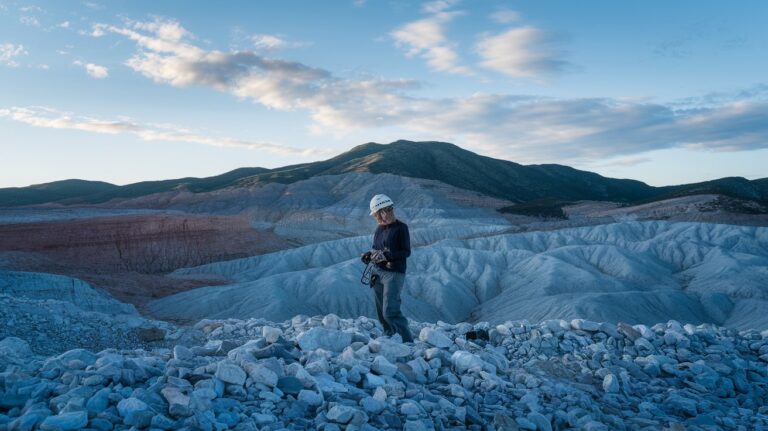
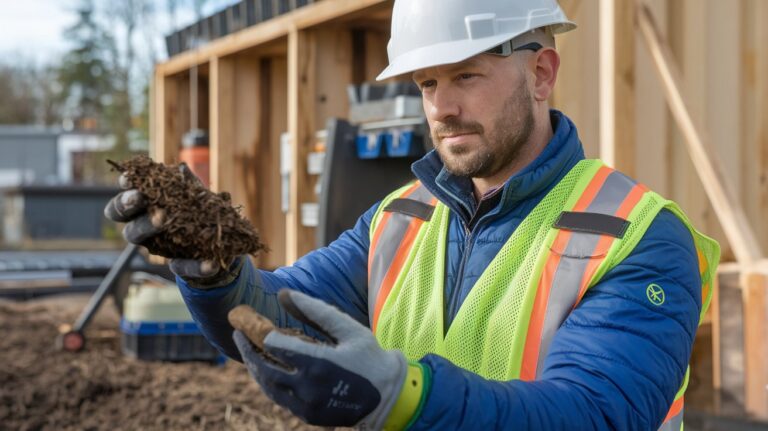
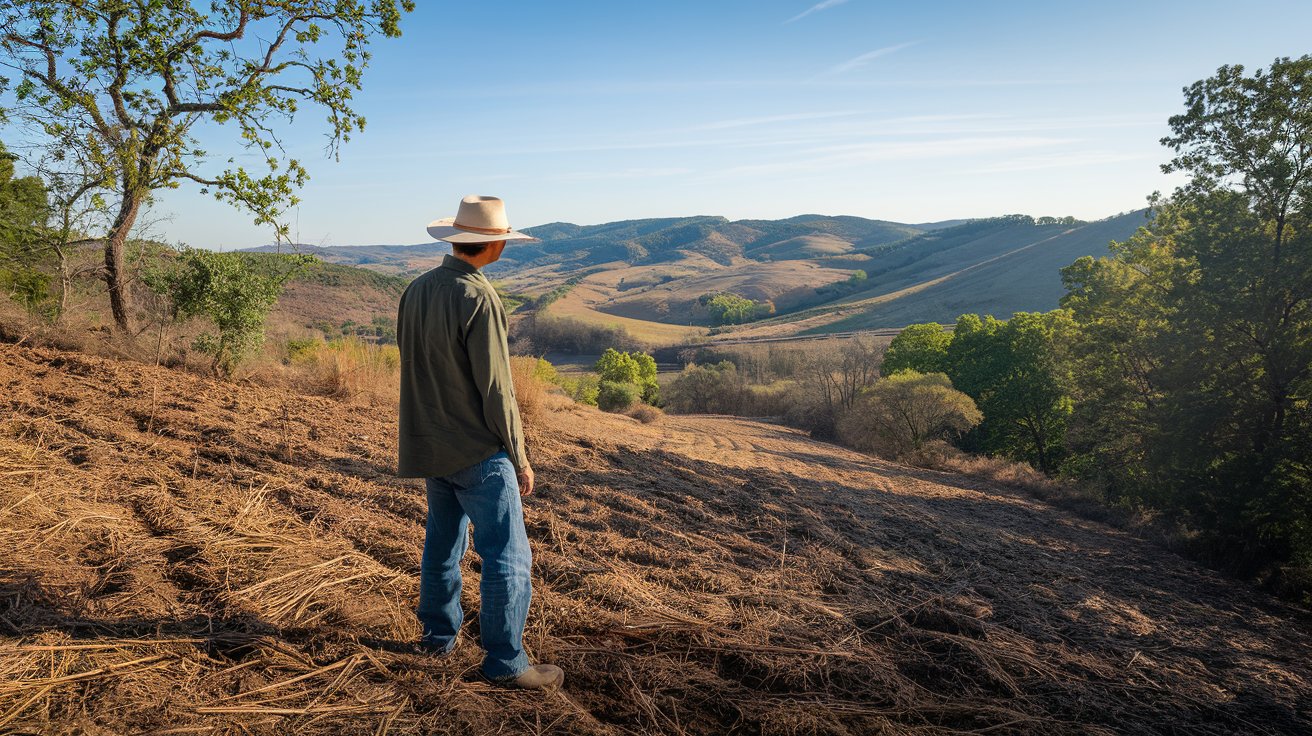
Field assessment activities consume significant portions of soil conservationists’ schedules. They regularly visit farms, construction sites, and natural areas to monitor soil conditions, measure erosion rates, and evaluate conservation practice effectiveness. This hands-on work requires collecting soil samples, photographing problem areas, and documenting environmental conditions using GPS technology and specialized equipment.
Conservation Plan Development and Implementation
Creating comprehensive conservation management plans involves analyzing site-specific data and developing customized solutions for each property. Soil conservationists must consider factors like soil type, slope, climate, land use history, and economic constraints when designing conservation systems. They specify appropriate conservation practices, estimate implementation costs, and establish timelines for project completion.
Work Environment and Employment Settings
Soil conservationists work in diverse environments ranging from office settings to outdoor field locations. Government agencies employ the majority of these professionals, particularly the Natural Resources Conservation Service, state environmental departments, and local conservation districts. Private sector opportunities exist with environmental consulting firms, agricultural companies, and land development organizations.
The work environment varies significantly by season and project requirements. During growing seasons, conservation specialists spend considerable time outdoors conducting field assessments, meeting with farmers, and monitoring conservation practice installation. Winter months typically involve more office-based activities including report writing, plan development, and training program preparation.
Government Agency Positions
Federal and state agencies provide the most common employment opportunities for soil conservationists. The USDA Natural Resources Conservation Service employs over 8,000 conservation professionals nationwide, offering positions from entry-level technicians to district conservationists. These government roles typically provide excellent benefits, job security, and opportunities for career advancement within the federal system.
Private Sector and Consulting Opportunities
Environmental consulting firms increasingly hire soil conservation experts to support development projects, agricultural operations, and regulatory compliance efforts. Private sector positions often offer higher salaries but may involve more travel and project-based work schedules. Consulting opportunities allow professionals to work with diverse clients across multiple industries and geographic regions.
Educational Requirements and Career Preparation
Most soil conservationist positions require a bachelor’s degree in soil science, agronomy, environmental science, or related natural resource fields. Coursework should include soil chemistry, hydrology, plant science, geology, and conservation practices. Some specialized positions may prefer or require advanced degrees, particularly for research or supervisory roles.
Practical experience through internships, cooperative education programs, or seasonal employment significantly enhances job prospects. Many conservation professionals begin their careers as student trainees or seasonal technicians with government agencies, gaining hands-on experience while completing their education. Professional certifications from organizations like the Soil and Water Conservation Society can demonstrate expertise and commitment to the field.
Salary Expectations and Career Progression
Soil conservationist salaries vary significantly based on education, experience, geographic location, and employer type. According to 2024 Bureau of Labor Statistics data, the median annual salary for conservation scientists, including soil conservationists, ranges from $45,000 for entry-level positions to over $95,000 for experienced professionals. Government positions typically offer structured pay scales with regular advancement opportunities.
Career progression paths for soil conservation specialists include advancement to senior technician roles, area conservationist positions, district manager roles, or specialized positions in research, policy development, or program management. Some professionals transition to private consulting, start their own firms, or move into related fields like agricultural sales or environmental compliance.
Entry-Level Salary Ranges by Region
Starting salaries for soil conservationists vary considerably by geographic region and cost of living. In 2024, entry-level positions in the Midwest typically range from $42,000 to $52,000 annually, while similar positions in high-cost areas like California or the Northeast may start between $55,000 and $65,000. Rural areas may offer lower starting salaries but often provide lower living costs and stronger community connections.
Advanced Career Opportunities and Specialization
Experienced conservation professionals can specialize in areas like urban soil management, agricultural technology, wetland restoration, or climate change adaptation. These specialized roles often command higher salaries and offer opportunities to work on cutting-edge conservation projects. Leadership positions in government agencies or consulting firms may provide salaries exceeding $100,000 annually plus comprehensive benefits packages.
Essential Skills and Professional Competencies
Successful soil conservationists must possess strong technical skills in soil science, hydrology, and conservation practices combined with excellent communication and interpersonal abilities. Technical competencies include understanding soil classification systems, erosion prediction models, and conservation practice design principles. Proficiency with GIS software, GPS technology, and soil analysis equipment is increasingly important.
Communication skills are equally critical as conservation specialists must explain complex technical concepts to farmers, landowners, and community groups with varying educational backgrounds. Writing skills are essential for preparing conservation plans, grant applications, and technical reports. Problem-solving abilities help professionals develop creative solutions for challenging conservation situations.
Current Industry Trends and Future Outlook
The soil conservation field is experiencing significant changes driven by climate change, technological advances, and evolving agricultural practices. Climate change is creating new challenges including increased erosion from extreme weather events, shifting precipitation patterns, and changing crop production zones. These trends are increasing demand for soil conservation expertise and innovative solutions.
Technology integration is transforming how soil conservationists work, with precision agriculture tools, drone surveys, and satellite imagery providing new data sources for conservation planning. The Bureau of Labor Statistics projects 5-7% growth in conservation scientist positions through 2032, driven by increasing environmental regulations and growing awareness of soil resource importance.
Climate Change Adaptation Strategies
Modern soil conservation increasingly focuses on climate resilience and adaptation strategies. Conservationists are developing practices to help agricultural systems withstand extreme weather events, manage changing precipitation patterns, and maintain soil health under evolving climatic conditions. This includes promoting drought-resistant crops, improving water retention systems, and implementing carbon sequestration practices.
Technology Integration and Digital Tools
Digital technology is revolutionizing soil conservation practices through precision agriculture tools, remote sensing capabilities, and data analytics platforms. Modern conservationists use satellite imagery to monitor erosion patterns, employ soil sensors for real-time monitoring, and utilize modeling software to predict conservation practice effectiveness. These technological advances are improving conservation outcomes while reducing implementation costs.
Related video about what does a soil conservationist do
This video complements the article information with a practical visual demonstration.
Your questions answered
What education do I need to become a soil conservationist?
Most soil conservationist positions require a bachelor’s degree in soil science, agronomy, environmental science, or related natural resource fields. Coursework should include soil chemistry, hydrology, plant science, and conservation practices. Some positions may prefer advanced degrees for research or supervisory roles.
How much do soil conservationists earn annually?
According to 2024 Bureau of Labor Statistics data, soil conservationist salaries range from $45,000 for entry-level positions to over $95,000 for experienced professionals. Salaries vary by location, employer type, and specialization, with government positions offering structured pay scales and advancement opportunities.
Where do soil conservationists typically work?
Soil conservationists work primarily for government agencies like the USDA Natural Resources Conservation Service, state environmental departments, and local conservation districts. Private sector opportunities exist with environmental consulting firms, agricultural companies, and land development organizations.
What are the daily responsibilities of a soil conservationist?
Daily responsibilities include conducting soil surveys and assessments, developing conservation plans, meeting with farmers and landowners, monitoring conservation practice effectiveness, collecting soil samples, and preparing technical reports. Work varies seasonally between field activities and office-based planning tasks.
Is the job outlook good for soil conservationists?
Yes, the Bureau of Labor Statistics projects 5-7% growth in conservation scientist positions through 2032. This growth is driven by increasing environmental regulations, climate change concerns, and growing awareness of soil resource importance for sustainable agriculture and environmental protection.
What skills are most important for soil conservationists?
Essential skills include technical knowledge of soil science and conservation practices, proficiency with GIS and GPS technology, strong communication abilities for working with diverse stakeholders, problem-solving skills for developing conservation solutions, and writing skills for preparing plans and reports.
| Career Aspect | Key Details | Professional Benefits |
|---|---|---|
| Education Requirements | Bachelor’s degree in soil science or related field | Strong technical foundation for career success |
| Salary Range | $45,000 – $95,000+ annually | Competitive compensation with advancement potential |
| Work Environment | Mix of field work and office planning | Diverse, engaging work with environmental impact |
| Job Growth | 5-7% projected growth through 2032 | Strong job security and future opportunities |
| Career Impact | Protecting vital soil resources | Meaningful work supporting environmental sustainability |