Environmental Inspector Job Description: Complete Guide 2025
An environmental inspector job description encompasses a critical role in protecting public health and environmental safety across the United States. These professionals ensure compliance with federal, state, and local environmental regulations through systematic inspections, monitoring activities, and enforcement actions. Environmental inspectors work for government agencies, consulting firms, and private organizations to safeguard air quality, water resources, and soil integrity while preventing environmental violations that could harm communities and ecosystems.
Core Responsibilities of Environmental Inspectors
Environmental inspectors perform comprehensive facility inspections to ensure compliance with environmental laws and regulations. They conduct on-site evaluations of industrial facilities, construction sites, and waste management operations to identify potential violations of the Clean Air Act, Clean Water Act, and Resource Conservation and Recovery Act. These inspections involve collecting samples, reviewing documentation, and assessing operational procedures to determine regulatory compliance status.
Documentation and reporting constitute essential environmental inspector duties that directly impact enforcement actions. Inspectors prepare detailed inspection reports, violation notices, and compliance assessments that serve as legal documents in enforcement proceedings. They maintain accurate records of findings, photograph evidence, and coordinate with legal teams when violations require formal action. This documentation process ensures transparency and accountability in environmental protection efforts across various industries.
Field Inspection Activities
Environmental field inspections require systematic evaluation of air emissions, water discharges, and waste storage practices. Inspectors use specialized equipment to measure pollutant levels, assess containment systems, and verify proper handling of hazardous materials. They examine permits, operational logs, and maintenance records to ensure facilities operate within approved parameters and maintain environmental protection standards established by regulatory agencies.
Regulatory Compliance Monitoring
Compliance monitoring activities involve regular follow-up inspections and progress assessments for facilities under enforcement actions. Environmental inspectors track corrective measures, verify implementation of compliance plans, and ensure timely resolution of identified violations. They coordinate with facility managers to establish realistic timelines for remediation while maintaining strict adherence to regulatory requirements and public safety standards.
Required Qualifications and Education
Most environmental inspector positions require a bachelor’s degree in environmental science, environmental engineering, chemistry, or related fields. Many employers prefer candidates with specialized coursework in environmental law, pollution control, and regulatory compliance. Advanced degrees may be required for senior positions or specialized roles involving complex industrial processes or hazardous waste management.
Professional certifications enhance career prospects and demonstrate expertise in specific environmental areas. The National Association of Environmental Professionals offers certification programs, while specialized certifications in air quality monitoring, water treatment, and hazardous waste management provide valuable credentials. Many states require specific licensing or certification for environmental inspectors working in regulated industries or handling particular types of inspections.
Essential Skills and Competencies
Technical skills for environmental inspectors include proficiency in sampling techniques, analytical methods, and environmental monitoring equipment. Inspectors must understand complex regulations, interpret technical data, and assess compliance status accurately. Strong communication abilities enable effective interaction with facility personnel, regulatory officials, and legal teams throughout the inspection and enforcement process.
Experience Requirements
Entry-level environmental inspector jobs typically require 1-3 years of relevant experience in environmental consulting, regulatory compliance, or related fields. Senior positions may require 5-10 years of progressive experience with increasing responsibilities in environmental protection. Experience with specific regulations, industries, or environmental media often determines eligibility for specialized inspector roles.
Salary Expectations and Career Outlook
Environmental inspector salaries in 2025 range from $48,000 to $85,000 annually, depending on experience, location, and employer type. Federal environmental inspectors typically earn higher salaries than state or local counterparts, with senior positions commanding salaries exceeding $90,000. Geographic location significantly impacts compensation, with inspectors in metropolitan areas and states with extensive industrial activity generally earning higher wages.
The career outlook for environmental inspectors remains positive, with projected job growth of 8% through 2032 according to the Bureau of Labor Statistics. Increasing environmental regulations, infrastructure development, and corporate sustainability initiatives drive demand for qualified environmental professionals. Climate change concerns and emerging contaminants create new opportunities for specialized environmental inspection services.
Work Environment and Conditions
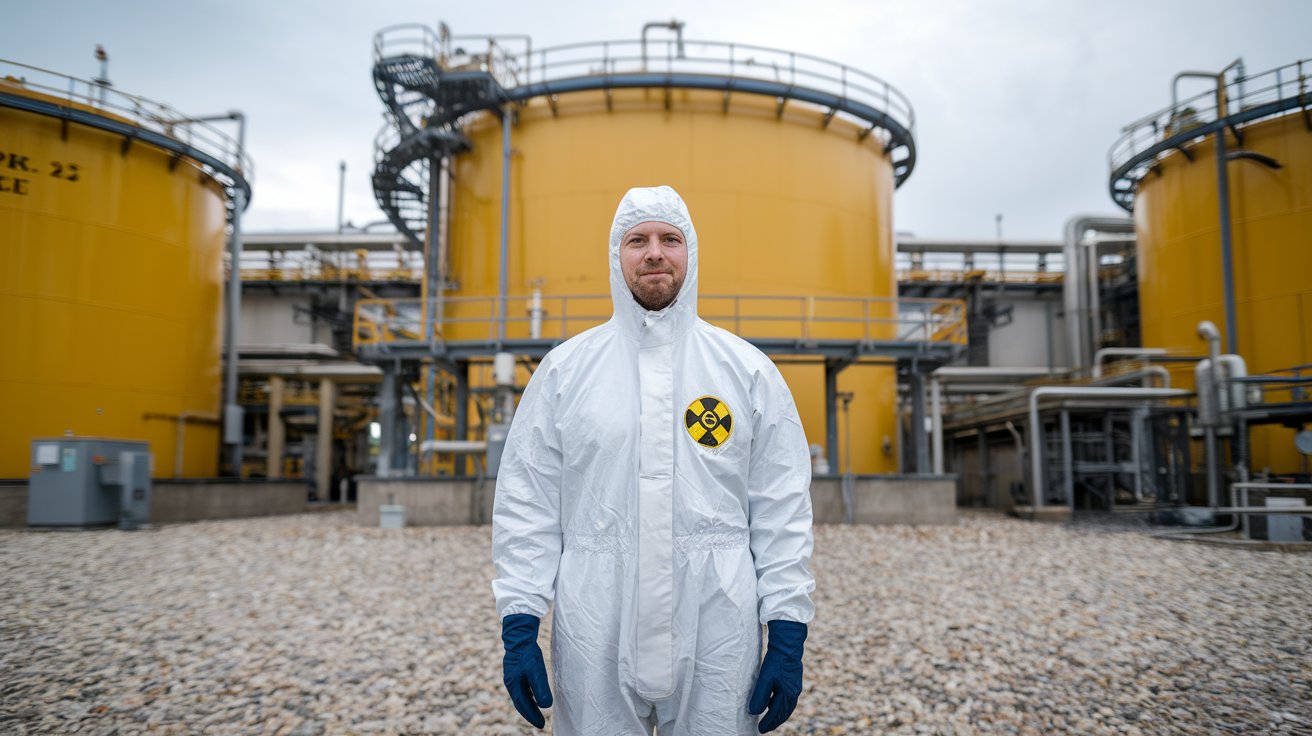
Environmental inspectors work in diverse settings including industrial facilities, construction sites, laboratories, and office environments. Field work exposes inspectors to various weather conditions, potential hazards, and challenging physical environments. Personal protective equipment and safety protocols are essential for conducting inspections in industrial settings with chemical exposures, confined spaces, or elevated locations.
Travel requirements vary significantly based on geographic coverage area and employer type. Federal environmental inspectors may travel extensively within assigned regions, while local inspectors typically work within specific jurisdictions. Some positions require irregular hours, weekend work, or emergency response capabilities for environmental incidents or complaint investigations.
Safety Considerations
Workplace safety represents a critical aspect of environmental inspection work, particularly in industrial settings with chemical hazards or physical dangers. Inspectors receive extensive safety training and must maintain current certifications in hazardous waste operations, confined space entry, and emergency response procedures. Proper use of personal protective equipment and adherence to safety protocols protect inspectors from occupational hazards.
Technology and Equipment Usage
Modern environmental inspectors utilize sophisticated monitoring equipment including air quality meters, water sampling devices, and digital documentation systems. Geographic information systems, mobile data collection applications, and remote sensing technologies enhance inspection efficiency and accuracy. Proficiency with these technological tools becomes increasingly important for competitive candidates in the environmental inspection field.
Career Advancement Opportunities
Career progression for environmental inspectors typically follows paths toward senior inspector roles, program management positions, or specialized technical assignments. Advanced positions may involve supervising junior staff, developing inspection protocols, or leading complex enforcement cases. Some inspectors transition to consulting roles, policy development positions, or academic careers in environmental science.
Professional development opportunities include continuing education programs, specialized training courses, and professional association memberships. Many employers support advanced degree programs and professional certifications that enhance technical expertise and career prospects. Networking through professional organizations provides valuable connections and insights into emerging career opportunities in environmental protection.
Employer Types and Job Settings
Government agencies represent the largest employers of environmental inspectors, including the Environmental Protection Agency, state environmental departments, and local health departments. These positions offer job security, comprehensive benefits, and opportunities for public service in environmental protection. Government inspectors enforce regulations, investigate complaints, and support policy development initiatives.
Private sector opportunities include consulting firms, industrial companies, and environmental service providers. Private sector positions may offer higher salaries and diverse project experiences but may involve more variable workloads and different performance expectations. Many private environmental inspectors support compliance auditing, due diligence assessments, and regulatory support services for business clients.
Related video about environmental inspector job description
This video complements the article information with a practical visual demonstration.
Your questions answered
What degree do I need to become an environmental inspector?
Most environmental inspector positions require a bachelor’s degree in environmental science, environmental engineering, chemistry, biology, or related fields. Some employers accept equivalent experience in lieu of formal education, while senior positions may require advanced degrees. Specialized coursework in environmental law and regulatory compliance enhances job prospects.
How much do environmental inspectors earn in 2025?
Environmental inspector salaries range from $48,000 to $85,000 annually, with experienced professionals earning up to $90,000 or more. Federal positions typically offer higher compensation than state or local roles. Geographic location, industry specialization, and employer type significantly influence salary levels.
What are the main duties of an environmental inspector?
Environmental inspectors conduct facility inspections, collect environmental samples, review compliance documentation, and prepare detailed inspection reports. They enforce environmental regulations, investigate complaints, and coordinate with legal teams on violation cases. Inspectors also monitor corrective actions and ensure facilities maintain regulatory compliance.
Do environmental inspectors need special certifications?
While not always required, professional certifications enhance career prospects and demonstrate expertise. Relevant certifications include those offered by the National Association of Environmental Professionals, hazardous waste operations certification, and specialized credentials in air quality or water treatment. Some states require specific licensing for certain inspection activities.
What is the job outlook for environmental inspectors?
The Bureau of Labor Statistics projects 8% job growth for environmental inspectors through 2032, faster than average for all occupations. Increasing environmental regulations, infrastructure development, and corporate sustainability initiatives drive demand. Climate change concerns and emerging contaminants create additional opportunities for specialized environmental professionals.
What work environment can environmental inspectors expect?
Environmental inspectors work in diverse settings including industrial facilities, construction sites, laboratories, and offices. Field work involves exposure to various weather conditions and potential hazards, requiring personal protective equipment. Travel requirements vary by position, with some roles requiring extensive regional coverage and irregular schedules.
| Career Aspect | Key Requirements | Professional Benefits |
|---|---|---|
| Education | Bachelor’s degree in environmental science or related field | Strong foundation for regulatory compliance work |
| Salary Range | $48,000-$85,000+ annually depending on experience | Competitive compensation with growth potential |
| Job Growth | 8% projected growth through 2032 | Excellent career stability and opportunities |
| Work Environment | Mixed field and office work with travel requirements | Diverse experiences and meaningful environmental impact |