Climatologist Job Description: Career Guide & Requirements
A climatologist job description encompasses the scientific study of climate patterns, weather systems, and atmospheric conditions over extended periods. These environmental scientists analyze climate data, conduct research on global warming, and provide crucial insights for government agencies, research institutions, and environmental organizations across the United States.
Core Responsibilities of a Climatologist
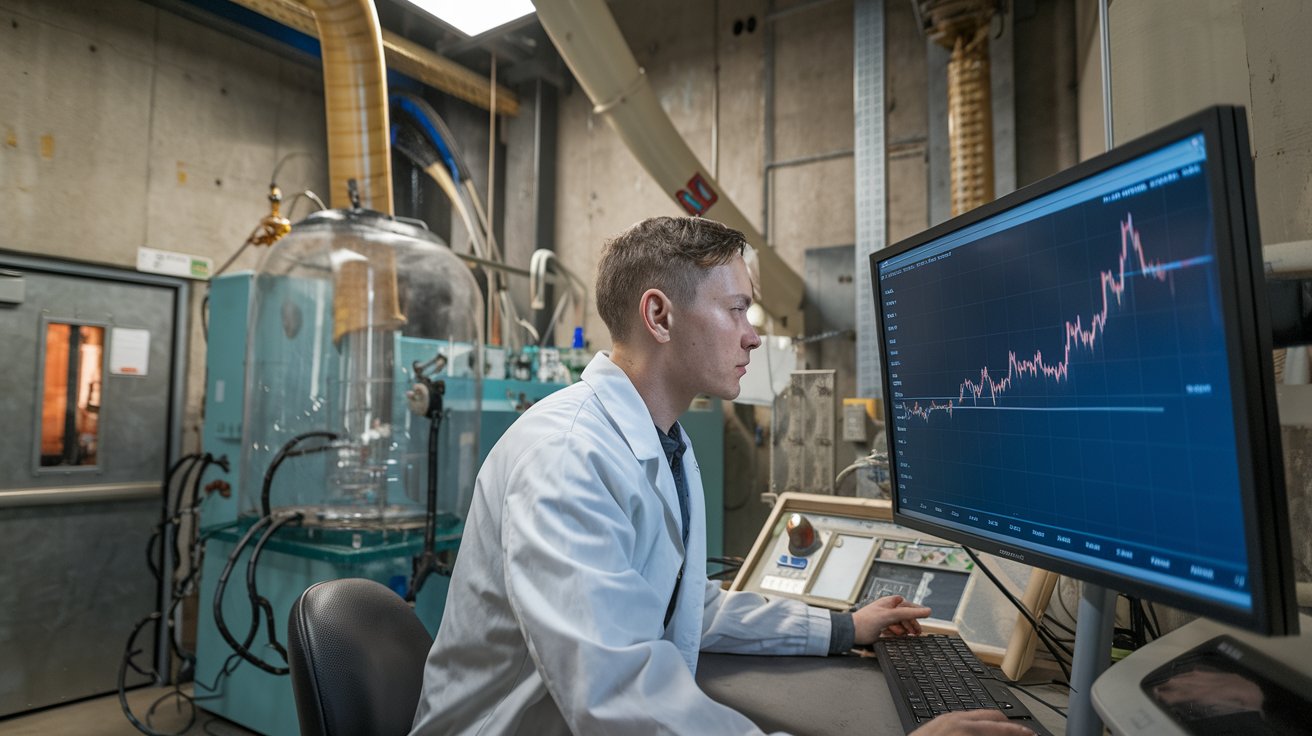
Climatologists perform diverse research duties that involve collecting and analyzing meteorological data from various sources including weather stations, satellites, and ocean buoys. They spend considerable time developing climate models using advanced statistical software and computer programs to predict future weather patterns and climate trends. These professionals also prepare detailed reports and presentations for government agencies, academic institutions, and private organizations.
The daily responsibilities include data collection from multiple sources, quality control of meteorological databases, and collaboration with other scientists on interdisciplinary research projects. Climatologists frequently conduct fieldwork to gather atmospheric measurements and soil samples, while also maintaining sophisticated monitoring equipment. They regularly publish their findings in peer-reviewed journals and present research at scientific conferences nationwide.
Educational Requirements and Qualifications
Most climatologist positions require a minimum of a bachelor’s degree in atmospheric science, meteorology, environmental science, or related fields such as physics or mathematics. However, advanced research positions typically demand a master’s degree or Ph.D. in climatology or atmospheric sciences. Universities across the United States offer specialized programs that include coursework in calculus, physics, chemistry, and computer programming.
Essential qualifications include proficiency in statistical analysis software such as R, MATLAB, or Python, along with experience using climate modeling tools like GCMs (General Circulation Models). Strong written and oral communication skills are crucial for presenting complex climate data to diverse audiences. Many positions also require security clearance for government work, particularly with agencies like NOAA or NASA.
Technical Skills and Certifications
Successful climatologists must master technical competencies including Geographic Information Systems (GIS) software, remote sensing applications, and database management systems. Professional certifications from organizations like the American Meteorological Society (AMS) enhance career prospects and demonstrate specialized expertise in climate research methodologies.
Continuing Education Requirements
The rapidly evolving field of climate science requires ongoing professional development through workshops, seminars, and additional coursework. Many climatologists pursue specialized training in emerging areas such as climate change adaptation, carbon sequestration, or renewable energy assessment to remain competitive in the job market.
Work Environment and Employment Settings
Climatologists typically work in office environments within government agencies, universities, research institutions, or private consulting firms. The National Weather Service, Environmental Protection Agency, and Department of Agriculture employ significant numbers of climatologists across the United States. Academic positions at major universities offer opportunities for teaching and independent research.
Many climatologists split their time between office work and fieldwork, traveling to various locations to collect data or install monitoring equipment. Remote work opportunities have increased significantly since 2024, allowing climatologists to collaborate on international research projects while working from home offices equipped with high-performance computing systems.
Salary Expectations and Career Progression
According to 2024 Bureau of Labor Statistics data, climatologist salaries in the United States range from $65,000 for entry-level positions to over $140,000 for senior research scientists. Government positions typically offer comprehensive benefits packages including health insurance, retirement plans, and professional development funding. Private sector climatologists often earn higher salaries but may have less job security.
Career advancement opportunities include senior researcher positions, program management roles, or specialized consulting work. Many experienced climatologists transition into policy advisory roles, working directly with government officials on climate change legislation and environmental regulations. Academic career paths lead to tenure-track professorships with opportunities for grant funding and international collaboration.
Regional Salary Variations
Geographic location significantly impacts climatologist compensation, with positions in California, New York, and Washington D.C. offering the highest salaries due to concentration of research institutions and government agencies. Rural areas and smaller universities typically offer lower salaries but may provide better work-life balance and lower living costs.
Performance Metrics and Bonuses
Many employers evaluate climatologists based on research productivity metrics including peer-reviewed publications, successful grant applications, and project completion rates. Performance bonuses in private sector positions may depend on client satisfaction and revenue generation from consulting contracts.
Daily Tasks and Project Management
A typical day for a climatologist involves data analysis tasks using specialized software to process large datasets from weather monitoring networks. They frequently participate in team meetings to discuss research progress and coordinate multi-year climate studies. Time management skills are essential for balancing multiple projects simultaneously while meeting strict publication deadlines.
Project responsibilities include developing research proposals for funding agencies, managing budgets for field studies, and supervising junior researchers or graduate students. Climatologists also spend time writing technical reports, preparing grant applications, and corresponding with collaborators at other institutions nationwide and internationally.
Specialization Areas and Career Paths
Climate science offers numerous specialization opportunities including paleoclimatology, which studies historical climate patterns, and applied climatology focused on practical applications for agriculture, water resources, or urban planning. Emerging specializations include climate change mitigation, extreme weather prediction, and climate justice research addressing environmental equity issues.
Career trajectories vary significantly based on chosen specializations, with some climatologists becoming climate consultants for renewable energy companies while others focus on academic research or government policy development. The growing emphasis on climate adaptation planning has created new opportunities in municipal government and infrastructure planning.
Agricultural Climatology Focus
Specialists in agricultural climatology work closely with farming communities to develop climate-resilient crop strategies and irrigation systems. These positions often involve extensive fieldwork and direct interaction with agricultural producers across diverse geographic regions.
Climate Modeling and Prediction
Experts in climate modeling develop and refine computer simulations used for long-term weather prediction and climate change projections. These highly technical positions require advanced programming skills and access to supercomputing resources at national laboratories or major universities.
Job Market Outlook and Industry Trends
The Bureau of Labor Statistics projects job growth for atmospheric scientists including climatologists at 6% through 2032, faster than average for all occupations. Increasing awareness of climate change impacts and extreme weather events drives demand for climate expertise in both public and private sectors across the United States.
Emerging job opportunities include climate risk assessment for financial institutions, renewable energy site evaluation, and climate change communication roles. The infrastructure investment programs initiated in 2024 have created additional positions focused on climate resilience planning and sustainable development project evaluation.
Related video about climatologist job description
This video complements the article information with a practical visual demonstration.
Frequently Asked Questions
What degree do I need to become a climatologist?
Most climatologist positions require a bachelor’s degree in atmospheric science, meteorology, environmental science, or related fields like physics or mathematics. Advanced research positions typically require a master’s degree or Ph.D. in climatology or atmospheric sciences. Strong backgrounds in mathematics, statistics, and computer programming are essential for success in this field.
How much do climatologists earn in the United States?
According to 2024 data, climatologist salaries range from $65,000 for entry-level positions to over $140,000 for senior research scientists. Government positions offer comprehensive benefits, while private sector roles may provide higher compensation. Geographic location significantly impacts salary levels, with major research centers offering premium compensation packages.
What are the main responsibilities of a climatologist?
Climatologists analyze weather patterns and climate data, develop climate models for future predictions, conduct field research, and prepare reports for various organizations. They collaborate with other scientists, publish research findings, present at conferences, and often advise government agencies or private companies on climate-related issues.
Is the job market good for climatologists?
Yes, the Bureau of Labor Statistics projects 6% job growth for atmospheric scientists through 2032, which is faster than average. Climate change awareness and extreme weather events drive increasing demand for climate expertise in government agencies, research institutions, consulting firms, and renewable energy companies.
What skills are most important for climatologists?
Essential skills include proficiency in statistical analysis software like R or Python, experience with climate modeling tools, strong written and oral communication abilities, and expertise in data analysis. Geographic Information Systems (GIS), remote sensing, and database management skills are also highly valuable in today’s job market.
Can climatologists work remotely?
Remote work opportunities for climatologists have expanded significantly since 2024, particularly for data analysis and modeling tasks. However, many positions still require fieldwork for data collection and monitoring equipment maintenance. Academic and government research positions increasingly offer flexible work arrangements and international collaboration opportunities.
| Career Aspect | Requirements/Details | Key Benefits |
|---|---|---|
| Education | Bachelor’s minimum, Master’s/Ph.D. preferred | Higher degrees lead to better opportunities |
| Salary Range | $65,000 – $140,000+ annually | Competitive compensation with benefits |
| Job Growth | 6% through 2032 | Faster than average career prospects |
| Work Environment | Office, field, and remote options | Flexible work arrangements available |