What Do Climatologists Do? Complete Career Guide 2025
Climatologists are specialized scientists who study long-term weather patterns, climate systems, and environmental changes to understand how Earth’s climate evolves over time. These experts analyze historical climate data, develop predictive models, and research the impacts of climate change on ecosystems and human society. In 2025, climatologists play an increasingly vital role in addressing global environmental challenges and informing policy decisions worldwide.
Core Responsibilities of Climatologists
Climatologists perform diverse scientific tasks that contribute to our understanding of Earth’s climate system. Their primary responsibility involves collecting and analyzing vast amounts of atmospheric data from weather stations, satellites, and ocean monitoring systems. These professionals spend considerable time processing temperature records, precipitation patterns, and atmospheric pressure measurements to identify long-term climate trends that span decades or centuries.
Data interpretation represents another crucial aspect of what climatologists do in their daily work. They use sophisticated statistical methods and computer modeling software to transform raw environmental data into meaningful scientific insights. This process often involves collaborating with meteorologists, oceanographers, and environmental scientists to ensure comprehensive analysis of climate phenomena across multiple Earth systems.
Research and Data Analysis
Research activities constitute the foundation of climatology work, requiring extensive use of advanced analytical tools and methodologies. Climatologists examine ice core samples, tree rings, and sediment layers to reconstruct historical climate conditions dating back thousands of years. They also monitor current atmospheric conditions using remote sensing technology and ground-based instruments to track ongoing climate changes and validate their predictive models.
Climate Modeling and Predictions
Climate modeling represents one of the most complex responsibilities that climatologists undertake in their professional careers. These scientists develop sophisticated computer simulations that incorporate atmospheric physics, ocean dynamics, and land surface processes to predict future climate scenarios. Their models help governments, businesses, and communities prepare for potential climate impacts including sea level rise, temperature changes, and shifting precipitation patterns.
Educational Requirements and Career Path
Becoming a climatologist requires extensive education and specialized training in atmospheric sciences, environmental science, or related fields. Most positions demand a minimum of a bachelor’s degree in meteorology, atmospheric science, geography, or environmental science, with many employers preferring candidates who hold advanced degrees. Graduate-level education provides essential knowledge in advanced mathematics, physics, and computer programming necessary for climate research.
The typical climatologist career path begins with entry-level research positions at universities, government agencies, or environmental consulting firms. Many professionals start as research assistants while pursuing graduate degrees, gaining hands-on experience with data collection and analysis techniques. Advanced career opportunities include senior research positions, project management roles, and specialized consulting work for private sector clients.
Bachelor’s Degree Requirements
Undergraduate programs for aspiring climatologists typically include coursework in calculus, physics, chemistry, and statistics alongside specialized atmospheric science classes. Students study fundamental concepts including thermodynamics, fluid dynamics, and atmospheric chemistry to build the scientific foundation necessary for advanced climate research. Many programs also require hands-on laboratory experience and field work to develop practical skills in data collection and instrument operation.
Graduate Education and Specialization
Graduate-level education allows future climatologists to develop specialized expertise in areas such as paleoclimatology, atmospheric modeling, or climate impact assessment. Master’s and doctoral programs emphasize original research, advanced statistical analysis, and the development of independent research projects. Graduate students often work closely with faculty advisors on funded research projects, gaining valuable experience in grant writing, scientific publication, and conference presentations.
Work Environment and Employment Settings
Climatologists work in diverse professional environments ranging from university research laboratories to government meteorological agencies and private environmental consulting firms. Academic positions offer opportunities for independent research, teaching, and collaboration with international scientific communities. Government agencies such as the National Weather Service, NOAA, and EPA employ climatologists to support policy development, environmental monitoring, and public safety initiatives.
Private sector employment for climatologists has expanded significantly in recent years as businesses recognize the importance of climate risk assessment and sustainability planning. Consulting firms, insurance companies, and renewable energy companies increasingly hire climate specialists to analyze weather-related risks, optimize operations, and develop climate adaptation strategies for their clients and stakeholders.
Salary and Compensation Trends
The average climatologist salary in the United States varies considerably based on education level, experience, and employment sector. According to 2024 data from the Bureau of Labor Statistics, atmospheric scientists including climatologists earn a median annual salary of approximately $95,380, with entry-level positions starting around $60,000 and experienced professionals earning over $150,000 annually.
Geographic location significantly influences climatologist compensation, with positions in major metropolitan areas and regions with active environmental research programs typically offering higher salaries. Federal government positions often provide competitive benefits packages including health insurance, retirement plans, and job security, while private sector roles may offer performance bonuses and equity compensation opportunities.
Government vs Private Sector Salaries
Government-employed climatologists typically earn salaries ranging from $70,000 to $130,000 annually, with advancement opportunities through the federal pay grade system. These positions offer excellent job security, comprehensive benefits, and opportunities to work on large-scale climate research projects with national significance. Senior government climatologists often manage research teams and coordinate multi-agency climate initiatives.
Academic and Research Institution Compensation
University-based climatologists earn salaries that vary widely based on institution type, geographic location, and academic rank. Assistant professors typically start with salaries between $65,000 and $85,000, while full professors at major research universities can earn over $120,000 annually. Academic positions often provide additional income opportunities through research grants, consulting work, and summer teaching programs.
Specialized Areas of Climatology
Climatology specializations allow professionals to focus their expertise on specific aspects of climate science, from studying ancient climate conditions to modeling future environmental scenarios. Each specialization requires unique skills and knowledge, offering diverse career paths within the broader field of climate science. These specialized areas often intersect with other scientific disciplines, creating opportunities for interdisciplinary research and collaboration.
Paleoclimatology
Paleoclimatologists specialize in reconstructing Earth’s climate history using natural archives such as ice cores, tree rings, coral reefs, and sediment deposits. This specialization requires expertise in geological processes, geochemical analysis techniques, and statistical methods for interpreting proxy climate data. Paleoclimatologists provide crucial insights into natural climate variability and help validate climate models by comparing predictions with historical climate conditions.
Climate Modeling
Climate modelers develop and refine computer simulations that predict future climate conditions under various scenarios of greenhouse gas emissions and environmental changes. This specialization demands advanced programming skills, expertise in numerical methods, and deep understanding of atmospheric and oceanic physics. Climate modelers work extensively with supercomputers and collaborate with international research teams to improve model accuracy and reliability.
Daily Tasks and Professional Activities
The daily routine of climatologists varies significantly depending on their specific role, employer, and current research projects. Research-focused positions involve substantial time analyzing data, running computer models, and interpreting scientific results. Many climatologists spend hours each day working with specialized software to process satellite imagery, weather station data, and climate model outputs to identify patterns and trends in Earth’s climate system.
Professional communication represents a significant component of what climatologists do beyond their technical research activities. They regularly write scientific papers, prepare presentations for conferences, and collaborate with colleagues through email, video conferences, and collaborative research platforms. Many also engage in peer review activities, evaluating research manuscripts submitted to scientific journals and providing feedback to improve the quality of published climate research.
Technology and Tools Used by Climatologists
Modern climatologists rely heavily on advanced technology and specialized software to conduct their research and analysis. Geographic Information Systems (GIS) software enables them to visualize and analyze spatial climate data, while statistical programming languages like R and Python provide powerful tools for data processing and analysis. Climate modeling requires access to high-performance computing resources and specialized simulation software that can handle complex atmospheric and oceanic calculations.
Field instruments and remote sensing technology play crucial roles in climatology work, providing the raw data that forms the foundation of climate research. Climatologists use weather stations, radiosondes, satellite imagery, and ocean monitoring buoys to collect real-time environmental data. They also work with paleoclimate proxies including ice drilling equipment, dendrochronology tools, and sediment coring devices to gather historical climate information.
Related video about what do climatologists do
This video complements the article information with a practical visual demonstration.
FAQ – Common Questions
How long does it take to become a climatologist?
Becoming a climatologist typically requires 6-10 years of education after high school. This includes a 4-year bachelor’s degree in atmospheric science or related field, followed by 2-6 years of graduate study. Most entry-level positions require at least a master’s degree, while senior research positions often demand a doctoral degree with additional postdoctoral training.
What is the job outlook for climatologists in 2025?
The job outlook for climatologists remains strong with expected growth of 6% from 2024-2034, faster than average for all occupations. Increasing awareness of climate change impacts and the need for climate adaptation strategies are driving demand across government agencies, private consulting firms, and research institutions throughout the United States.
Do climatologists work in the field or mostly in offices?
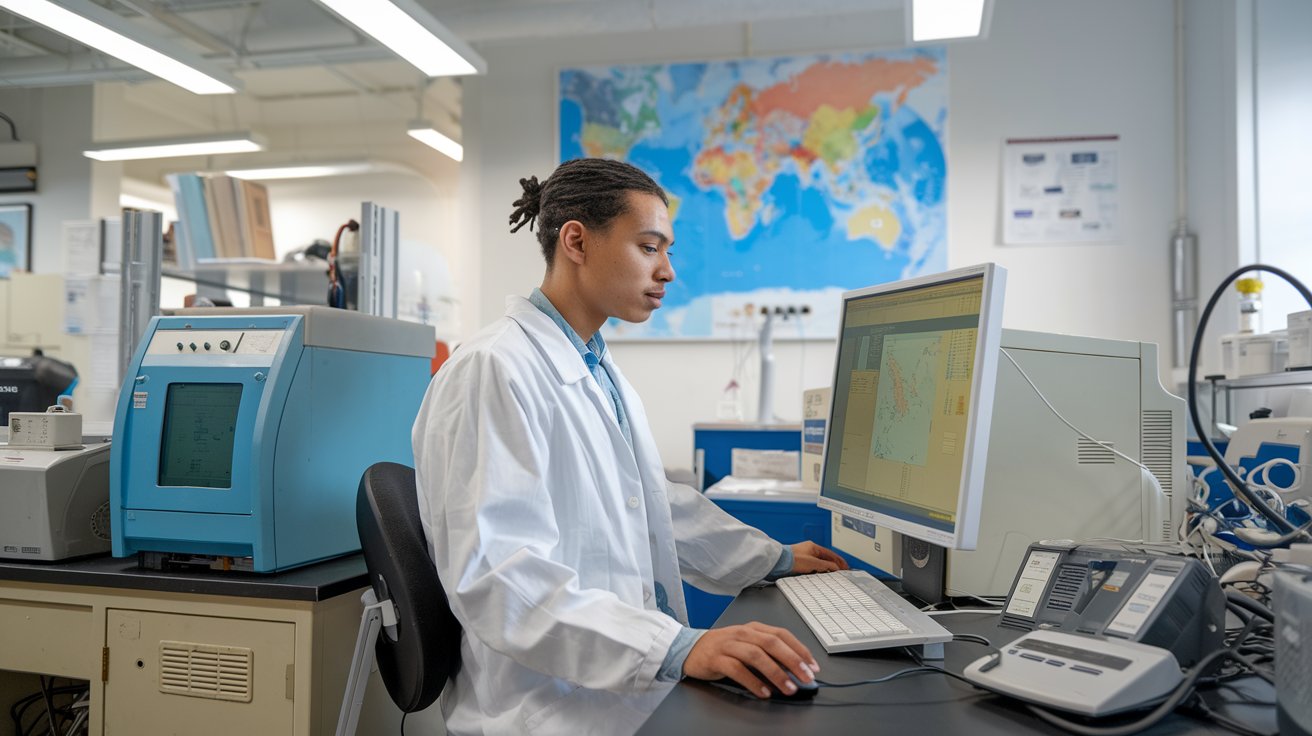
Most climatologists spend the majority of their time in offices or laboratories analyzing data and developing models. However, field work is an important component for many positions, involving travel to collect samples, install monitoring equipment, or conduct site assessments. The amount of field work varies significantly depending on the specific role and research focus.
What skills are most important for climatologists?
Essential skills for climatologists include strong mathematical and statistical analysis abilities, proficiency with programming languages like Python or R, and expertise in climate modeling software. Critical thinking, scientific writing, and communication skills are equally important for presenting research findings and collaborating with multidisciplinary teams on complex environmental projects.
Can climatologists work remotely?
Many aspects of climatology work are well-suited for remote work, particularly data analysis, modeling, and scientific writing activities. The COVID-19 pandemic accelerated remote work adoption in climate science, with many positions now offering hybrid or fully remote options. However, some roles requiring field work or laboratory access still need on-site presence.
| Career Aspect | Key Requirements | Professional Benefits |
|---|---|---|
| Education | Master’s degree minimum, PhD preferred | High earning potential and job security |
| Skills | Programming, statistics, data analysis | Diverse career opportunities |
| Work Environment | Office, laboratory, occasional field work | Intellectual stimulation and research freedom |
| Salary Range | $60,000-$150,000+ annually | Competitive compensation with growth potential |